About
We partner with districts to make character a daily practice — every student, every classroom, every day. From a single school to a 40-school system, every grade learns age-appropriate lessons on the same weekly character strength, building one shared vocabulary across your district.
West Lake Middle School, North Carolina · One semester of P2 lessons moved the needle on the school climate survey question students answer most honestly: do I belong here?
Palms Elementary, Michigan · After implementing P2 school-wide, Palms saw academic gains alongside the culture shift — the kind of correlation that gets a principal's attention.
Lobbestael Elementary, Michigan · Fewer office referrals, fewer suspensions, more peer-led problem-solving — the predictable downstream effect of teaching character before problems happen.
Discovery Elementary, California · From 17.7% chronically absent in 2022–23 to 5.5% today — four consecutive years of decline. Principal Eva Martinez calls it the simplest measure of whether students want to be in the building.
How district partnerships work
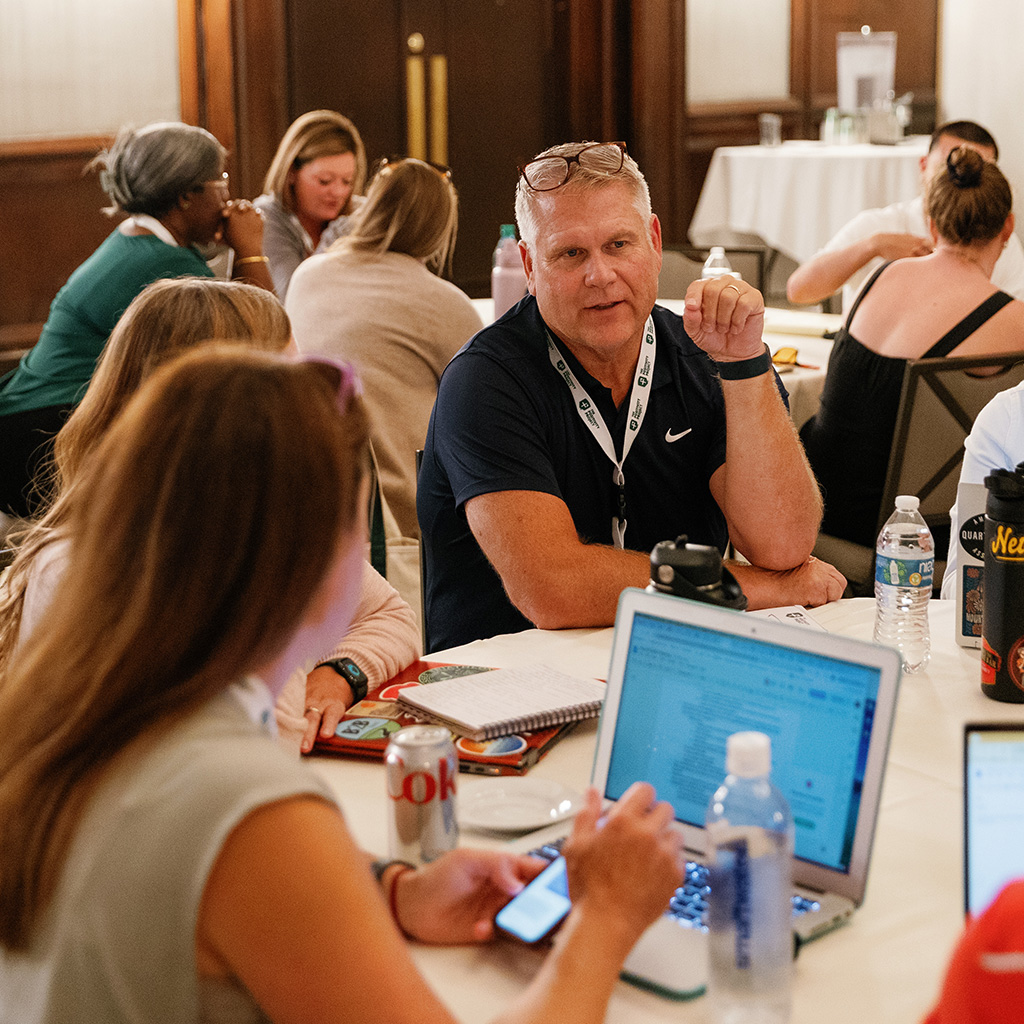
Districtwide character education starts with a shared vision — but it takes implementation at the school level to bring that vision to life. P2 partners with district leaders and school teams to make that happen.
Start with a few schools or launch districtwide. P2 helps establish implementation expectations, prepare school leaders, train educators, and give every participating school access to Pre-K–12 resources.
Each Partner School then designs an implementation plan around its own people, schedule, and routines.
A district partnership doesn't stop at the central office. P2's Implementation Team works directly with individual schools to help leaders establish routines, solve implementation challenges, and keep P2 active throughout the year.
District leaders get one consistent partner across the system. Schools get support specific to their implementation needs.
P2 continues working with district and school leaders through ongoing support, professional learning, implementation check-ins, and planning for the years ahead.
The goal is to make a shared language for character and relationships part of how schools operate — not another initiative that fades after launch.
Start with a few schools or launch districtwide. P2 helps establish implementation expectations, prepare school leaders, train educators, and give every participating school access to Pre-K–12 resources.
Each Partner School then designs an implementation plan around its own people, schedule, and routines.
A district partnership doesn't stop at the central office. P2's Implementation Team works directly with individual schools to help leaders establish routines, solve implementation challenges, and keep P2 active throughout the year.
District leaders get one consistent partner across the system. Schools get support specific to their implementation needs.
P2 continues working with district and school leaders through ongoing support, professional learning, implementation check-ins, and planning for the years ahead.
The goal is to make a shared language for character and relationships part of how schools operate — not another initiative that fades after launch.
Start with a few schools or launch districtwide. P2 helps establish implementation expectations, prepare school leaders, train educators, and give every participating school access to Pre-K–12 resources.
Each Partner School then designs an implementation plan around its own people, schedule, and routines.
A district partnership doesn't stop at the central office. P2's Implementation Team works directly with individual schools to help leaders establish routines, solve implementation challenges, and keep P2 active throughout the year.
District leaders get one consistent partner across the system. Schools get support specific to their implementation needs.
P2 continues working with district and school leaders through ongoing support, professional learning, implementation check-ins, and planning for the years ahead.
The goal is to make a shared language for character and relationships part of how schools operate — not another initiative that fades after launch.
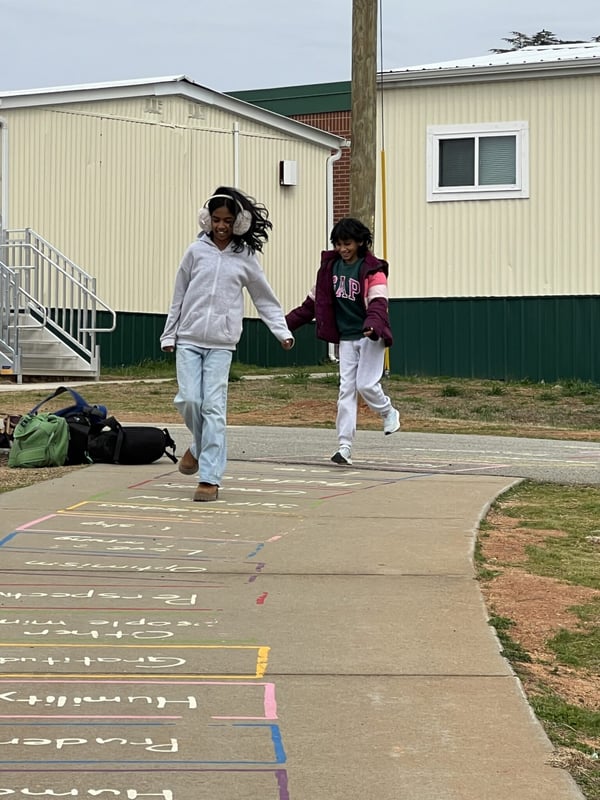
The Cabarrus Model
A districtwide initiative succeeds one school at a time. That's why P2 doesn't rely on central office to carry implementation alone.
District leaders establish the shared vision. P2's Implementation Team works directly with school-level leaders to help put it into practice.
"It is incredible that the reps from P2 meet with the implementers at the school level and not just me, the district rep. We have a district of 45 schools, so the personalized support is appreciated beyond words."
- Karen Hollar, District Administrator, Cabarrus County Schools, NC

In peer-reviewed research, P2 reaches 93–94% teacher implementation fidelity, roughly double the K-12 industry norm. 90.9% of teachers want to continue using P2 the following year. The reason is simple: lessons take 15 minutes, no prep, open the slide deck and start.

P2's 24 character strengths and the Other People Mindset come from the VIA Classification of Character Strengths developed by Dr. Christopher Peterson and Dr. Martin Seligman. It is the most comprehensive empirical taxonomy of human character in 50 years of positive psychology research. The strengths come from the science, not from a values list a vendor picked.

Most character education programs sold at the district level land as a curriculum drop. The contract gets signed, central administration gets the touchpoint, and schools get a binder. P2's Implementation Team delivers personalized support to every individual school, because the outcomes that matter happen in classrooms.

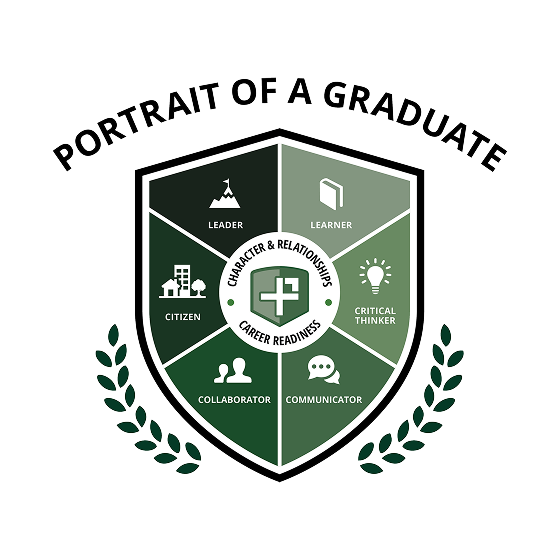
P2's 24 character strengths and the Other People Mindset map directly onto every Portrait of a Graduate, district mission statement, and state strategic plan we've seen. It's the daily classroom practice that operationalizes the commitments your district has already made.
A commited partner
See how districts use Title I, II, IV-A, and ESSER for P2
The foundation
To empower America's youth to build positive relationships and become their best selves by recognizing and developing the character strengths in themselves and others.
We partner with schools and districts and equip educators with the resources, training, strategy, and support to teach positive psychology's 24 character strengths and the Other People Mindset.
Most district missions describe the kind of graduate you want to produce: productive citizens, lifelong learners, critical thinkers. P2's mission describes how students get there, and our partnership model describes how we deliver. Together they make P2 the daily practice that brings your strategic plan into every classroom.
P2 is now in 40+ Clovis schools, the daily practice that makes Clovis's mission real in every classroom.
All five schools in Fruitvale School District earned California PBIS Coalition recognition for 2025–2026, with Kern County Superintendent of Schools reporting fewer discipline referrals and fewer students needing the highest level of behavioral support.
Cabarrus is a county-wide K–12 P2 implementation across 45 schools, kindergarten through high school, with the same daily practice and shared vocabulary.
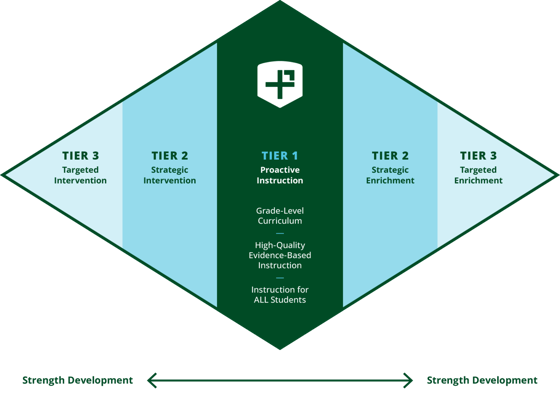
Who we are
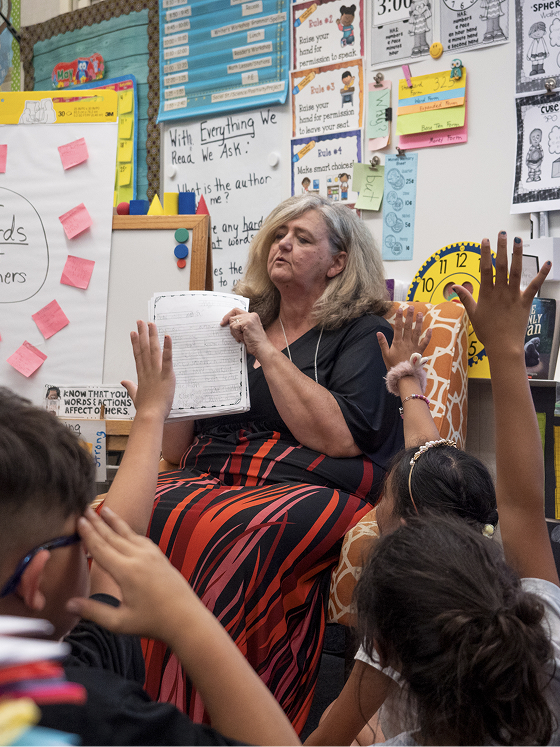
A daily 15-minute lesson for every grade, on the same weekly character strength across the district. Proactive, preventative character education that builds a shared vocabulary from PreK through 12 and creates a schoolwide culture of character. ESSA Tier 2 evidence-based.
Small-group activities aligned with P2’s character strengths framework. Includes the Tier 2 Toolbox, relationship courses, mindful moment resources, and redirection guidance for students who need additional support or deeper engagement.
Individualized interventions coordinated with counselors, administrators, and families. P2 provides Tier 3 toolkits designed for one-on-one or small-group settings with specialized school staff.
A daily 15-minute lesson for every grade, on the same weekly character strength across the district. Proactive, preventative character education that builds a shared vocabulary from PreK through 12 and creates a schoolwide culture of character. ESSA Tier 2 evidence-based.
Small-group activities aligned with P2’s character strengths framework. Includes the Tier 2 Toolbox, relationship courses, mindful moment resources, and redirection guidance for students who need additional support or deeper engagement.
Individualized interventions coordinated with counselors, administrators, and families. P2 provides Tier 3 toolkits designed for one-on-one or small-group settings with specialized school staff.
A daily 15-minute lesson for every grade, on the same weekly character strength across the district. Proactive, preventative character education that builds a shared vocabulary from PreK through 12 and creates a schoolwide culture of character. ESSA Tier 2 evidence-based.
Small-group activities aligned with P2’s character strengths framework. Includes the Tier 2 Toolbox, relationship courses, mindful moment resources, and redirection guidance for students who need additional support or deeper engagement.
Individualized interventions coordinated with counselors, administrators, and families. P2 provides Tier 3 toolkits designed for one-on-one or small-group settings with specialized school staff.
Who we are
The math matters. A district investing in a Tier 2-only program might reach 25% of students. The same district investing in P2 reaches 100% of students, for less per student than most competitors charge for partial coverage. P2 is the universal foundation that makes higher-tier interventions work at full capacity, because every student is being developed every day, not just the ones flagged for support.
Built to fit
P2's 24 character strengths and the Other People Mindset are the daily classroom practice that develops every durable skill on every Portrait of a Graduate we've seen. POG frameworks and P2 draw from the same underlying research on what defines a flourishing human being.
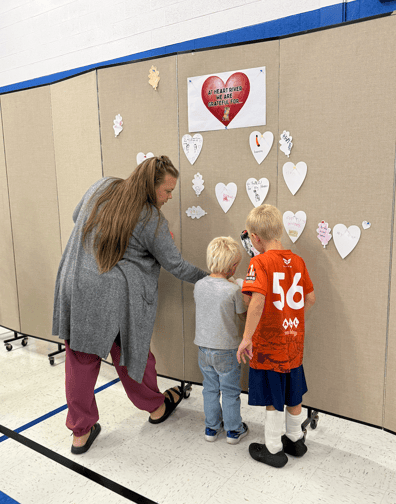
Read about Heart River Elementary’s family night that brought 207 students and family members to the gym to learn about character education.
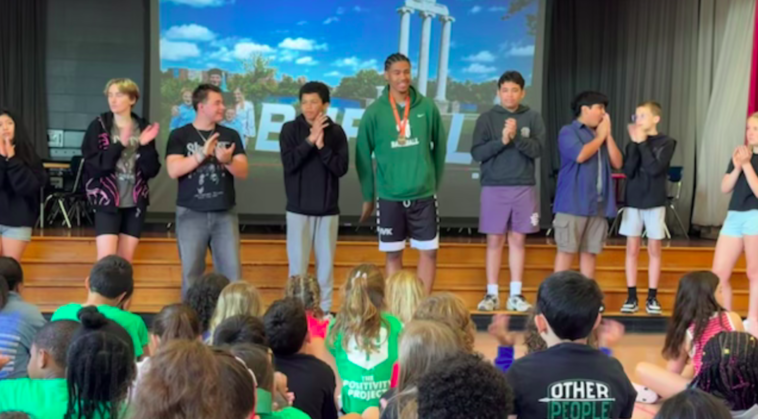
Monthly assemblies connect Nassau Elementary's youngest learners with student role models across Spackenkill.
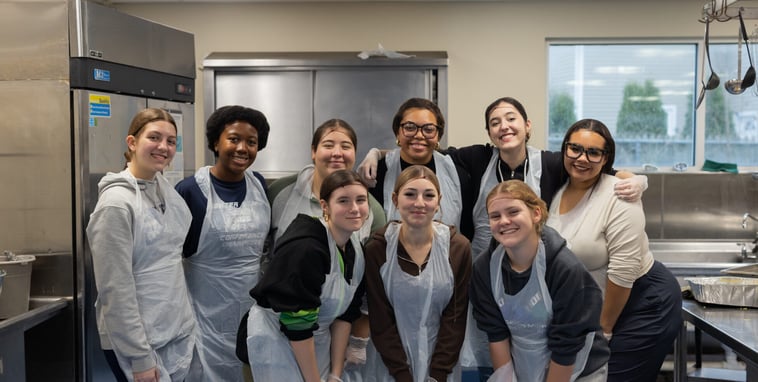
Clinton High School implemented The Positivity Project (P2) in 2018. See how students have embraced the framework since then.
Frequently Asked Questions
Yes. Many of our largest partners began with a single school or a small cohort and expanded once they saw results. Our site-based implementation model means each school can roll out at its own pace while moving toward shared district outcomes.
Through a shared character vocabulary. Every classroom from Pre-K through 12th grade teaches the same character strength on the same weekly cadence, using lessons designed for that grade. Students moving between schools, grade transitions, or even cafeterias and buses encounter the same language, the same Other People Mindset, and the same expectations. A common vocabulary bridges gaps between students, educators, and families. Site-based leadership preserves each school’s identity; the shared language unifies the district.
P2 offers a flexible suite designed to match district size and maturity. P2 100 Implementation Training is for schools or teachers that are new to P2. P2 200 Advanced Training is for existing partners ready to go deeper. P2 Leadership Retreats are designed exclusively for school and district leaders to align P2 with district mission, vision, and strategic goals. Our Train-the-Trainer Program certifies in-house leaders to lead P2 training and support ongoing implementation, reducing long-term training expenses and building durable internal expertise.
Yes. Over forty schools across Clovis Unified School District implemented P2 districtwide and reported improved student behavior, stronger attendance, a shared character vocabulary used by students as young as kindergarten, and increased parent engagement. As Erin Waer, Assistant Superintendent for Curriculum, Instruction, and Accountability at Clovis Unified, put it, “One of the most amazing things I’ve ever seen in my 25 years in education is what The Positivity Project did for our school and our students and our staff and our community.” P2 is currently implemented in over 800 schools across more than 20 states, with multi-school districts in California, New York, North Carolina, Ohio, Michigan, and beyond.
P2 was built for this alignment. The 24 character strengths map cleanly to the durable skills most districts name in their Portrait language: communication, collaboration, perseverance, integrity, leadership, empathy. During onboarding, we walk through your specific strategic plan and, where helpful, generate a custom alignment document for board presentations. P2 makes the priorities your district has already committed to teachable and observable in every classroom.
With consistent implementation, partner schools typically see early indicators within the first quarter: a visible shared vocabulary among students, stronger teacher-student relationships, and an improved sense of belonging. Documented outcomes across partner schools include a 33% increase in belonging after one quarter, up to a 75% decrease in violations, a 50% decrease in behavioral issues, and academic improvements on state assessments. Clovis Unified, for example, documented increased student attendance, fewer behavioral incidents, and a stronger sense of community after districtwide implementation.
P2 is designed as a Tier 1 universal foundation within MTSS: proactive, daily character education that reaches every student and reduces the long-term need for higher-level interventions by building strong relationships and self-awareness from the start. Beyond Tier 1, P2 aligns across the full MTSS framework with Tier 2 strategic interventions and Tier 3 targeted supports. By strengthening the Tier 1 foundation, P2 helps reduce the number of students requiring higher-level behavioral or social-emotional interventions, saving schools time and resources. The result for districts: a single, coherent, strengths-based framework instead of a patchwork of disconnected programs at each tier.
Yes, P2 is eligible for all four. Title I supports schoolwide programs and parent engagement (P2 for Families qualifies). Title II commonly covers professional learning, which is why many of our Partner Districts tap into PD funds to cover the cost of a P2 partnership. Title IV-A is the most common pathway. P2 directly supports well-rounded education, safe schools, and student mental health. Federal funds (Title I, II, III, IV, and V) can be used to purchase P2 because P2 encourages parental involvement, includes professional learning, and builds safe and supportive school environments. ESSER III can also be applied where still available. P2 meets the criteria for a Tier 2 evidence-based intervention under ESSA, which strengthens grant applications and board justifications. State pathways vary. For example, New York State has a BOCES CoSer that allows districts to receive state aid on P2 registration and related costs.
Each district partnership is supported by a dedicated School Success Coordinator from P2, your consistent point of contact for implementation, training scheduling, and ongoing support. On the district side, the relationship most often lives with a Curriculum and Instruction lead, a Student Services or MTSS Director, or a Deputy Superintendent -- whoever owns culture and climate work. Many districts also designate a P2 District Lead plus site-based P2 Leaders at each school. We facilitate Formal District P2 Leader Check-Ins, a model already proven in Partner Districts with 40+ schools, to keep the network connected.
Renewal conversations typically begin in late winter or early spring for the following school year. Your School Success Coordinator reviews what’s working, what needs adjustment, and where you want to expand. Multi-year agreements lock in pricing and reduce administrative overhead. The process is collaborative and tied to your district’s strategic goals.
Yes. Many of our largest partners began with a single school or a small cohort and expanded once they saw results. Our site-based implementation model means each school can roll out at its own pace while moving toward shared district outcomes.
Through a shared character vocabulary. Every classroom from Pre-K through 12th grade teaches the same character strength on the same weekly cadence, using lessons designed for that grade. Students moving between schools, grade transitions, or even cafeterias and buses encounter the same language, the same Other People Mindset, and the same expectations. A common vocabulary bridges gaps between students, educators, and families. Site-based leadership preserves each school’s identity; the shared language unifies the district.
P2 offers a flexible suite designed to match district size and maturity. P2 100 Implementation Training is for schools or teachers that are new to P2. P2 200 Advanced Training is for existing partners ready to go deeper. P2 Leadership Retreats are designed exclusively for school and district leaders to align P2 with district mission, vision, and strategic goals. Our Train-the-Trainer Program certifies in-house leaders to lead P2 training and support ongoing implementation, reducing long-term training expenses and building durable internal expertise.
Yes. Over forty schools across Clovis Unified School District implemented P2 districtwide and reported improved student behavior, stronger attendance, a shared character vocabulary used by students as young as kindergarten, and increased parent engagement. As Erin Waer, Assistant Superintendent for Curriculum, Instruction, and Accountability at Clovis Unified, put it, “One of the most amazing things I’ve ever seen in my 25 years in education is what The Positivity Project did for our school and our students and our staff and our community.” P2 is currently implemented in over 800 schools across more than 20 states, with multi-school districts in California, New York, North Carolina, Ohio, Michigan, and beyond.
P2 was built for this alignment. The 24 character strengths map cleanly to the durable skills most districts name in their Portrait language: communication, collaboration, perseverance, integrity, leadership, empathy. During onboarding, we walk through your specific strategic plan and, where helpful, generate a custom alignment document for board presentations. P2 makes the priorities your district has already committed to teachable and observable in every classroom.
With consistent implementation, partner schools typically see early indicators within the first quarter: a visible shared vocabulary among students, stronger teacher-student relationships, and an improved sense of belonging. Documented outcomes across partner schools include a 33% increase in belonging after one quarter, up to a 75% decrease in violations, a 50% decrease in behavioral issues, and academic improvements on state assessments. Clovis Unified, for example, documented increased student attendance, fewer behavioral incidents, and a stronger sense of community after districtwide implementation.
P2 is designed as a Tier 1 universal foundation within MTSS: proactive, daily character education that reaches every student and reduces the long-term need for higher-level interventions by building strong relationships and self-awareness from the start. Beyond Tier 1, P2 aligns across the full MTSS framework with Tier 2 strategic interventions and Tier 3 targeted supports. By strengthening the Tier 1 foundation, P2 helps reduce the number of students requiring higher-level behavioral or social-emotional interventions, saving schools time and resources. The result for districts: a single, coherent, strengths-based framework instead of a patchwork of disconnected programs at each tier.
Yes, P2 is eligible for all four. Title I supports schoolwide programs and parent engagement (P2 for Families qualifies). Title II commonly covers professional learning, which is why many of our Partner Districts tap into PD funds to cover the cost of a P2 partnership. Title IV-A is the most common pathway. P2 directly supports well-rounded education, safe schools, and student mental health. Federal funds (Title I, II, III, IV, and V) can be used to purchase P2 because P2 encourages parental involvement, includes professional learning, and builds safe and supportive school environments. ESSER III can also be applied where still available. P2 meets the criteria for a Tier 2 evidence-based intervention under ESSA, which strengthens grant applications and board justifications. State pathways vary. For example, New York State has a BOCES CoSer that allows districts to receive state aid on P2 registration and related costs.
Each district partnership is supported by a dedicated School Success Coordinator from P2, your consistent point of contact for implementation, training scheduling, and ongoing support. On the district side, the relationship most often lives with a Curriculum and Instruction lead, a Student Services or MTSS Director, or a Deputy Superintendent -- whoever owns culture and climate work. Many districts also designate a P2 District Lead plus site-based P2 Leaders at each school. We facilitate Formal District P2 Leader Check-Ins, a model already proven in Partner Districts with 40+ schools, to keep the network connected.
Renewal conversations typically begin in late winter or early spring for the following school year. Your School Success Coordinator reviews what’s working, what needs adjustment, and where you want to expand. Multi-year agreements lock in pricing and reduce administrative overhead. The process is collaborative and tied to your district’s strategic goals.
Yes. Many of our largest partners began with a single school or a small cohort and expanded once they saw results. Our site-based implementation model means each school can roll out at its own pace while moving toward shared district outcomes.
Through a shared character vocabulary. Every classroom from Pre-K through 12th grade teaches the same character strength on the same weekly cadence, using lessons designed for that grade. Students moving between schools, grade transitions, or even cafeterias and buses encounter the same language, the same Other People Mindset, and the same expectations. A common vocabulary bridges gaps between students, educators, and families. Site-based leadership preserves each school’s identity; the shared language unifies the district.
P2 offers a flexible suite designed to match district size and maturity. P2 100 Implementation Training is for schools or teachers that are new to P2. P2 200 Advanced Training is for existing partners ready to go deeper. P2 Leadership Retreats are designed exclusively for school and district leaders to align P2 with district mission, vision, and strategic goals. Our Train-the-Trainer Program certifies in-house leaders to lead P2 training and support ongoing implementation, reducing long-term training expenses and building durable internal expertise.
Yes. Over forty schools across Clovis Unified School District implemented P2 districtwide and reported improved student behavior, stronger attendance, a shared character vocabulary used by students as young as kindergarten, and increased parent engagement. As Erin Waer, Assistant Superintendent for Curriculum, Instruction, and Accountability at Clovis Unified, put it, “One of the most amazing things I’ve ever seen in my 25 years in education is what The Positivity Project did for our school and our students and our staff and our community.” P2 is currently implemented in over 800 schools across more than 20 states, with multi-school districts in California, New York, North Carolina, Ohio, Michigan, and beyond.
P2 was built for this alignment. The 24 character strengths map cleanly to the durable skills most districts name in their Portrait language: communication, collaboration, perseverance, integrity, leadership, empathy. During onboarding, we walk through your specific strategic plan and, where helpful, generate a custom alignment document for board presentations. P2 makes the priorities your district has already committed to teachable and observable in every classroom.
With consistent implementation, partner schools typically see early indicators within the first quarter: a visible shared vocabulary among students, stronger teacher-student relationships, and an improved sense of belonging. Documented outcomes across partner schools include a 33% increase in belonging after one quarter, up to a 75% decrease in violations, a 50% decrease in behavioral issues, and academic improvements on state assessments. Clovis Unified, for example, documented increased student attendance, fewer behavioral incidents, and a stronger sense of community after districtwide implementation.
P2 is designed as a Tier 1 universal foundation within MTSS: proactive, daily character education that reaches every student and reduces the long-term need for higher-level interventions by building strong relationships and self-awareness from the start. Beyond Tier 1, P2 aligns across the full MTSS framework with Tier 2 strategic interventions and Tier 3 targeted supports. By strengthening the Tier 1 foundation, P2 helps reduce the number of students requiring higher-level behavioral or social-emotional interventions, saving schools time and resources. The result for districts: a single, coherent, strengths-based framework instead of a patchwork of disconnected programs at each tier.
Yes, P2 is eligible for all four. Title I supports schoolwide programs and parent engagement (P2 for Families qualifies). Title II commonly covers professional learning, which is why many of our Partner Districts tap into PD funds to cover the cost of a P2 partnership. Title IV-A is the most common pathway. P2 directly supports well-rounded education, safe schools, and student mental health. Federal funds (Title I, II, III, IV, and V) can be used to purchase P2 because P2 encourages parental involvement, includes professional learning, and builds safe and supportive school environments. ESSER III can also be applied where still available. P2 meets the criteria for a Tier 2 evidence-based intervention under ESSA, which strengthens grant applications and board justifications. State pathways vary. For example, New York State has a BOCES CoSer that allows districts to receive state aid on P2 registration and related costs.
Each district partnership is supported by a dedicated School Success Coordinator from P2, your consistent point of contact for implementation, training scheduling, and ongoing support. On the district side, the relationship most often lives with a Curriculum and Instruction lead, a Student Services or MTSS Director, or a Deputy Superintendent -- whoever owns culture and climate work. Many districts also designate a P2 District Lead plus site-based P2 Leaders at each school. We facilitate Formal District P2 Leader Check-Ins, a model already proven in Partner Districts with 40+ schools, to keep the network connected.
Renewal conversations typically begin in late winter or early spring for the following school year. Your School Success Coordinator reviews what’s working, what needs adjustment, and where you want to expand. Multi-year agreements lock in pricing and reduce administrative overhead. The process is collaborative and tied to your district’s strategic goals.
Get started
Schedule 30 minutes with our team to talk through your strategic priorities, your existing initiatives, and whether P2 is the right partnership for your district. No commitment. No pricing pressure. Just a conversation.

.png?width=400&height=300&name=Untitled%20design%20(32).png)