
Free resources
Character strengths are visible all around us — but they truly come to life in books. A picture book about a child who keeps trying after failing is a lesson in perseverance. A novel about someone who stands up for a friend is a lesson in bravery and kindness. Stories give students a memorable way to see character in action, talk about it, and imagine how they might respond in their own lives.
That is why we created this book list. Sortable by grade level and character strength, it is designed to help teachers, school counselors, and families find the right read for any classroom or any moment. Whether you are introducing gratitude to a kindergarten class or exploring leadership with high schoolers, you will find titles here that spark meaningful conversations. We hope you enjoy it!
Do you know of a great book that we should add to our list? Click the button below and let us know.
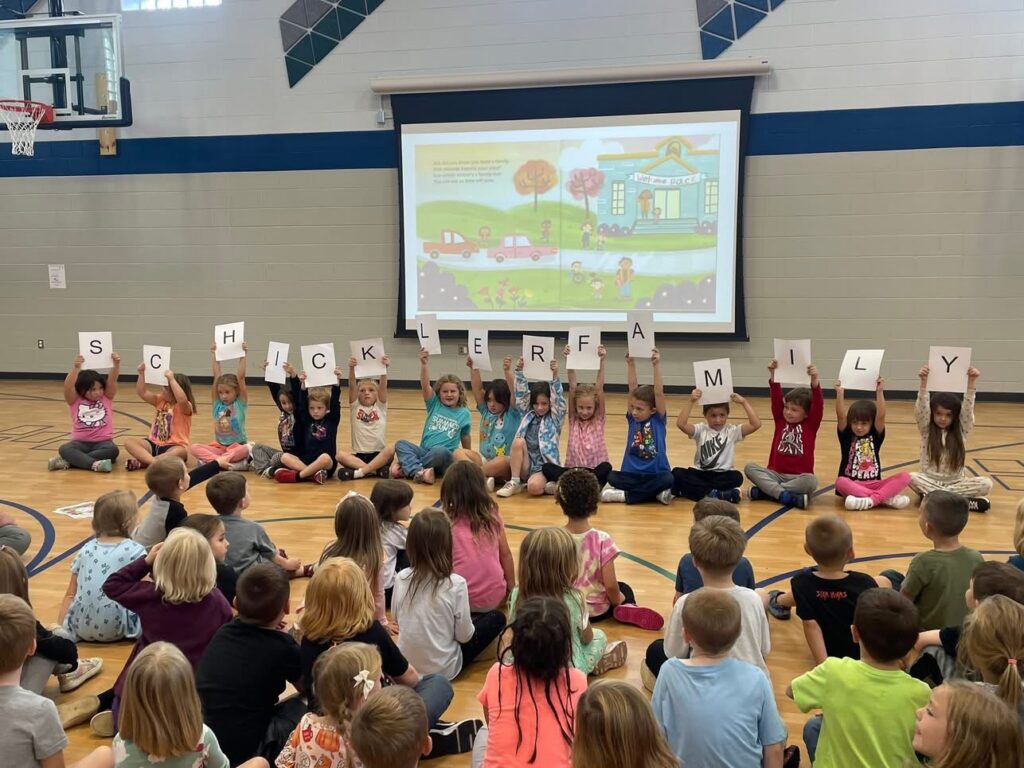
Looking for inspiration on how to use these books? At Schickler Elementary in Lapeer, Michigan, the whole school gathers each month for P2 Reading Assemblies built around a single story — and every book is chosen to spotlight a specific character strength, like teamwork, integrity, or gratitude. As Learning Coach Amy Duncan shares, these assemblies do double duty: they model expressive, fluent reading, anchor rich new vocabulary to a character’s actions, and build a common language for character across all 340 students. It is a powerful example of how one well-chosen book can strengthen both literacy and character for an entire community.

Reading and character education are natural partners. When students meet characters who wrestle with honesty, forgiveness, or self-regulation, they build empathy and language for their own experiences. Research in positive psychology — the foundation of The Positivity Project’s approach — shows that people grow their character strengths through reflection and practice. A well-chosen book offers both. It gives a class a shared story to return to, and it opens the door to the kind of discussion that helps the Other People Mindset take root. It reminds students of a simple truth at the heart of our work: other people matter.
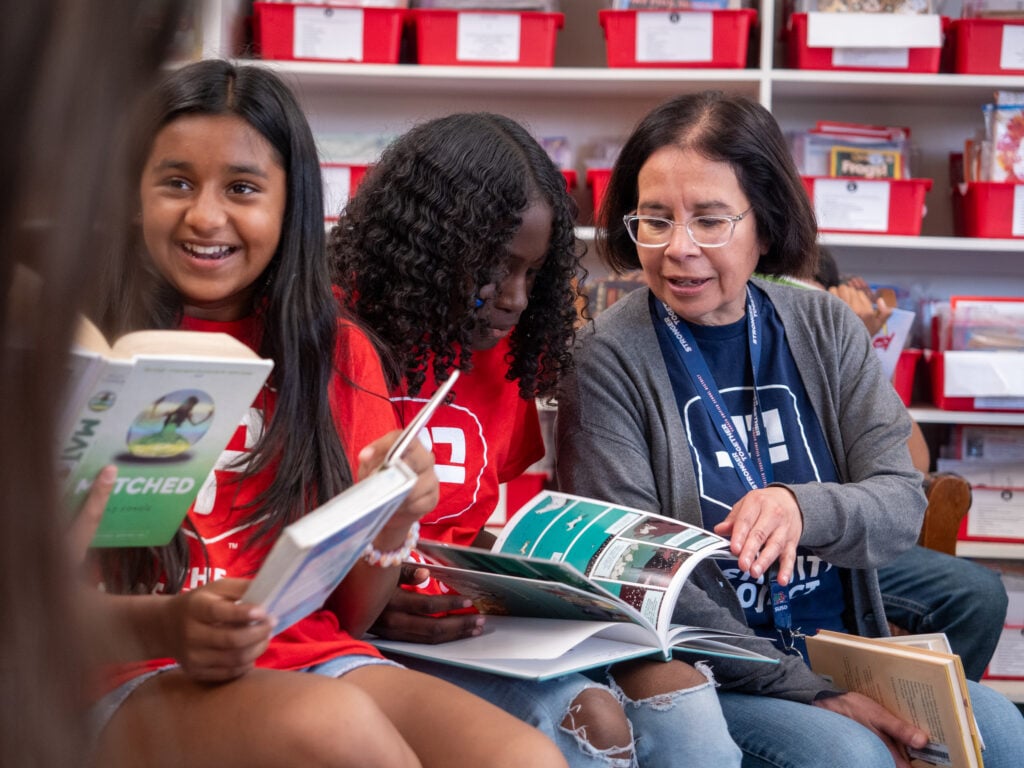
Every book on this list is tagged so you can find what you need quickly. Sort by grade level to match titles to your readers, from Pre-K picture books to young-adult novels. Sort by character strength to align a read-aloud or mentor text with the strength you are focused on that week — whether it is curiosity, teamwork, optimism, or any of the 24 character strengths that P2 schools explore throughout the year. Those strengths fall under six broad virtues — wisdom, courage, humanity, justice, temperance, and transcendence — giving you a rich range of texts for every unit.
Many of our partner schools weave these books directly into their literacy instruction. A teacher might launch a reading unit with one of these titles on Monday, return to it during the week’s comprehension and vocabulary work, and close with a short writing prompt that asks students to connect the character’s choices to their own. Families can extend the learning at home — reading together and asking simple questions like, “Which character strength did you see today?”
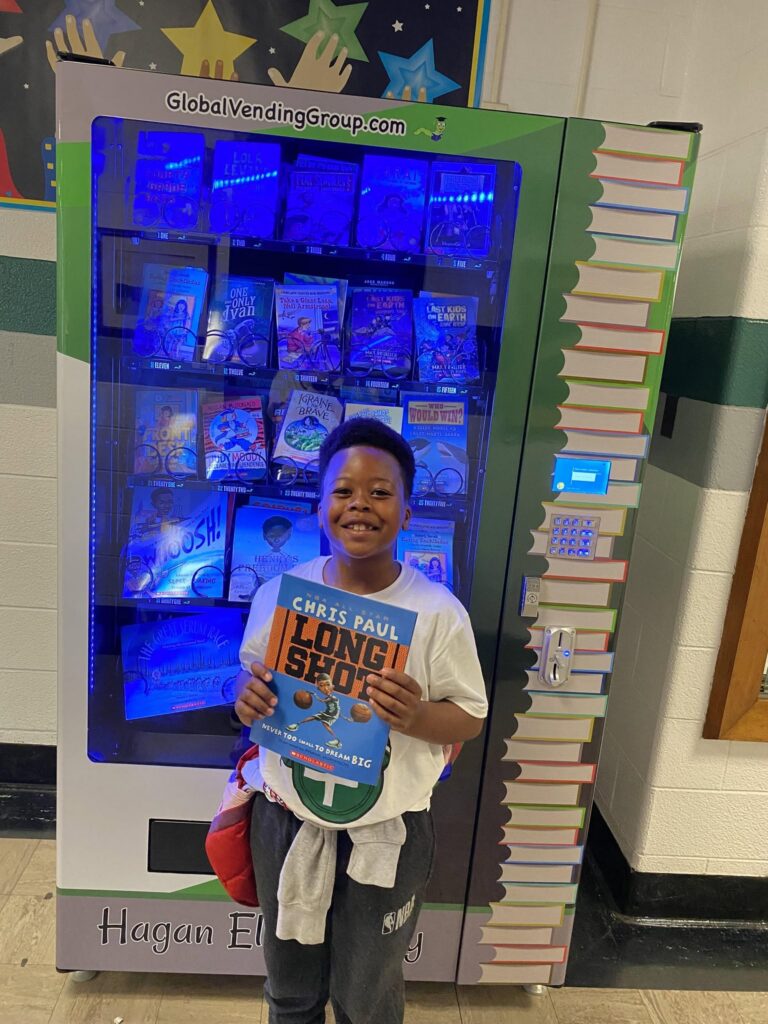
Some partner schools have found a creative way to celebrate positive behavior: the book vending machine. Instead of snacks, these machines dispense stories. Schools like Sargent Elementary, Maplewood Elementary, and Hagan Elementary use book vending machines to reward students who demonstrate their strengths throughout the week, turning a moment of good character into a brand-new book to take home.
At Spackenkill School District, it is one more way character strengths are reinforced beyond the classroom. When a student is noticed using the shared language of the 24 character strengths, that moment is recognized in real time with a coin for their book vending machine. It is simple, yet effective — and a great way to encourage even more reading. Does your school have a book vending machine?
This list grows because of educators like you. Do you know a great book that belongs here? We would love to hear about it. Click the button below to share your recommendation, and you may see your title added here.
“Office discipline referrals have steadily declined, from 777 in 2022-23 to 408 this year. Suspension rates have also decreased from 0.4% in the 2022–2023 school year to 0.1% currently. Additionally, chronic absenteeism has significantly improved, dropping from 17.7% in 2022–2023 to 5.5% in 2025-26.”
“I have not written a single office referral. Moving from an average of three to five weekly behavior concerns to none has been significant. The overall tone of the classroom feels calmer and more cooperative.”
“When students actively engage with character education, they begin to see their classmates and teachers as part of a supportive and caring community. This environment reduces bullying and social exclusion, replacing those negative qualities with understanding and inclusivity. Because of this positive school culture at West Pine Middle School, we have seen almost a 10% drop in major office referrals from last year to this year.”
“Nearly every state assessment we tracked showed more than a 10% gain in student achievement. In some cases, grade levels saw gains as high as 20%.”
“This simple addition to our playground has strengthened students' understanding of character strengths and reinforced our school's positive culture by embedding P2 into everyday play. We have also reduced our playground office referrals from 36 to 21 since March of the last school year.”
“Since 2019, Cairo-Durham Elementary has seen a 43% reduction in disciplinary referrals, reflecting the positive changes taking place throughout the school community. More importantly, however, the daily interactions among students demonstrate a genuine shift in culture.”
“Within that time, behavioral referrals declined by 35%, and academic achievement and attendance also rose. Attendance from 89% to 93%.”
“Since implementing P2, we have had at least a 75% decrease in bus violations/write-ups, as well as a 50% decrease in recess and school behavior issues.”