Our Model
The best character education program is the one your teachers actually use — every day, for years.
Educators ask us a version of the same question all the time: why is The Positivity Project built around consistent, daily practice? Why short lessons? Why classroom teachers? Why visual reminders in classrooms and hallways?
Culture isn't made by occasional events. It's made by what happens every day.
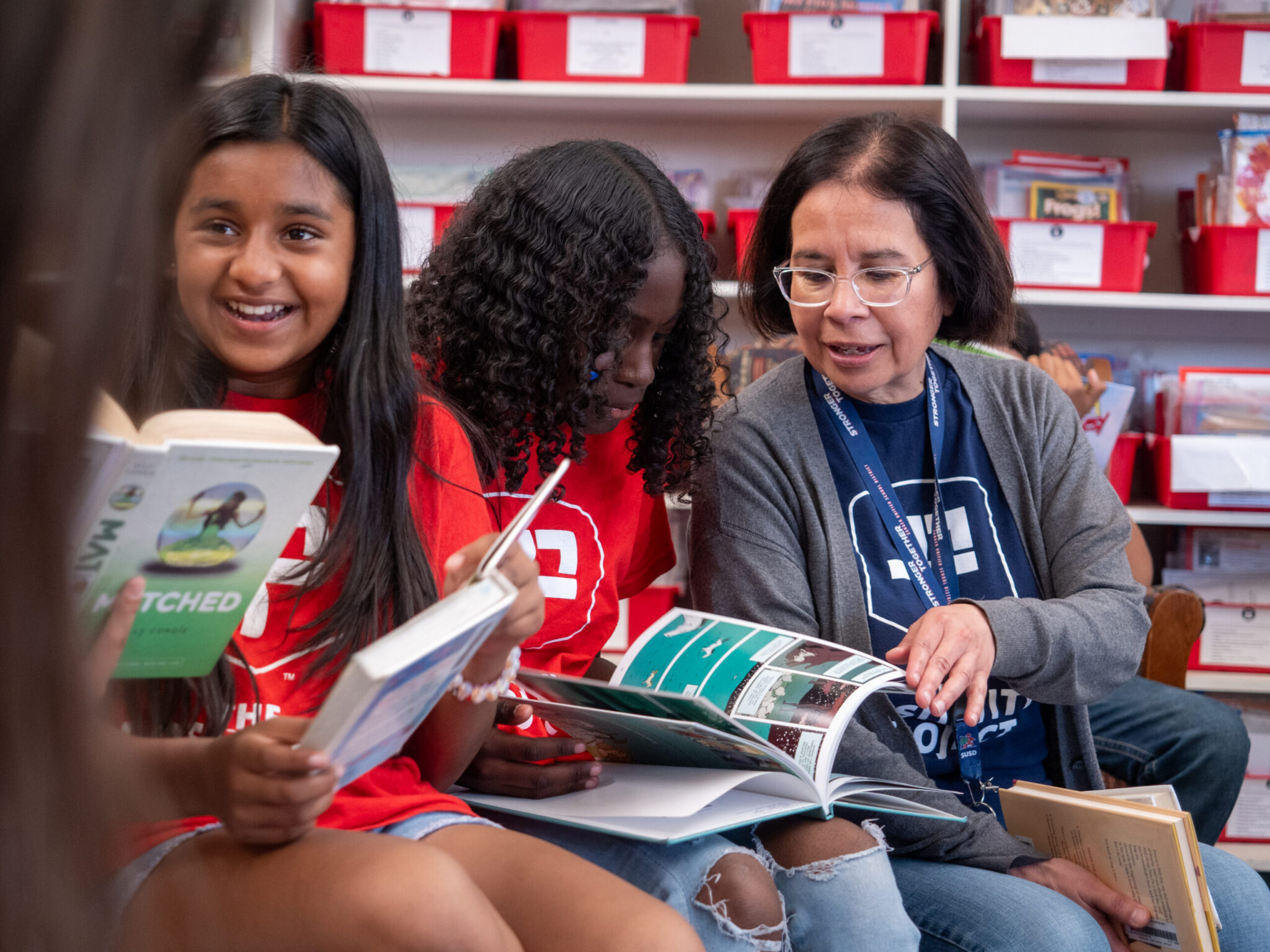
Consistency in The Positivity Project means one character strength per week, taught in a 15-minute lesson, in every classroom, every school day. Every adult in the building learns the same vocabulary. The same calendar runs the following year, and the year after that.
Decades of implementation research point to the same conclusion: programs are more likely to produce results when they are delivered consistently and as designed. A character curriculum sitting unused in March produces nothing, however strong the materials.
Districts evaluating character programs often look first at study count and evidence tier. Those are reasonable filters. But research on implementation points to another variable that matters enormously: what happens after a program reaches the classroom.
Durlak and DuPre's "Implementation Matters" reviewed more than 500 studies and found that implementation quality predicted a program's success better than the choice of program did. Programs delivered with fidelity produced effect sizes two to three times higher. Two dimensions carried much of that weight: dosage, meaning doing it often enough, and adherence, meaning doing it as designed. Durlak's 2011 meta-analysis of 213 school-based programs found the same pattern. Well-implemented programs produced significant gains across all six outcomes measured. Poorly implemented ones produced gains in two.
A moderate workout three days a week builds more strength than a flawless one every few months. Character education follows the same math.
Dosage plus adherence is what the research says drives results, which turns program selection into a design problem. A district needs classroom teachers leading a character lesson every day, for years, and leading it as designed.
Eric Jensen, in Teaching with the Brain in Mind, describes synapses as adaptive. They change in response to activity, and repetition strengthens the connections between them. Spacing that repetition over time turns short-term exposure into lasting memory through consolidation.
P2's calendar builds in spiral review, bringing teachers back to strengths they've already taught. Reading and math programs use spiral review because retrieving prior learning strengthens memory. Over time, content moves from something a student learned once to something a student knows. Character works the same way.
Dr. Chris Peterson, one of the founders of positive psychology, put it plainly:
Theorists as far back as Aristotle argued that virtue is the product of habitual action. One-shot positive psychology interventions can probably jump-start the process, but only sustained practice will make changes permanent.
Dr. Chris Peterson, Character Strengths and Virtues
A teacher who has to invent a character lesson every week goes looking for something age-appropriate, safe, short enough to fit, and tied to the strength she's teaching. That search takes time she doesn't have, so the lesson happens twice and then stops. That's a dosage and adherence failure, and it's how well-intentioned programs end up unused.
P2 removes that search. When teachers tell us what they like about P2, the phrase that comes back most is three words: it's already built. The calendar lays out the whole year. Every week has a strength, and every strength comes with a ready-to-use slide deck of five 15-minute lessons. Each lesson follows the same rhythm: understand the strength, engage with it, reflect on it.
Our curriculum team does the work teachers shouldn't have to do themselves: finding and vetting videos, selecting age-appropriate content, and writing discussion questions so everything in the deck fits the block and connects to the week's strength. Open the slides and begin, no prep required.
In peer-reviewed research, P2 teachers reached 93–94% implementation fidelity, nearly double the industry norm. That number is a product of the design. A teacher who can open a deck and teach it will open it again tomorrow.
Consistency doesn't mean repetition without context. P2's calendar is designed so strengths arrive when students are most likely to see them in their own lives.
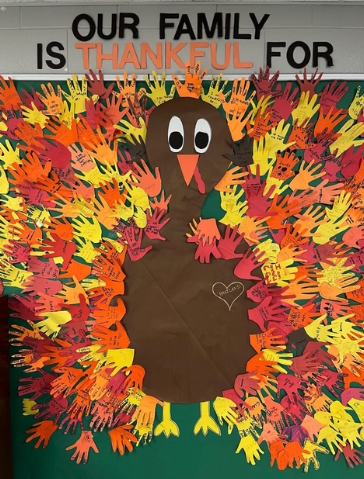
Gratitude surrounds Thanksgiving. Self-Control comes just before winter break. January moves from Optimism to Prudence to Perseverance — from setting a goal, to making a plan, to sticking with it when obstacles appear.
The calendar gives every classroom a shared rhythm while connecting character to moments students are already experiencing.
In a P2 school, every adult is trained in the same vocabulary and every classroom teaches the same strength the same week. Students hear perseverance named by a teacher during a hard assignment, integrity by a principal at an assembly, humility by a coach after a win. Heard often enough, from enough adults, the vocabulary becomes the way the school talks about people.
The motivation behind it is intrinsic. Students use their strengths because helping someone, or doing something hard well, feels good on its own terms, without a sticker attached. Over time a student moves from "we're learning about perseverance" to "I'm someone who perseveres," and that identity travels into new classrooms, onto teams, and into adulthood.
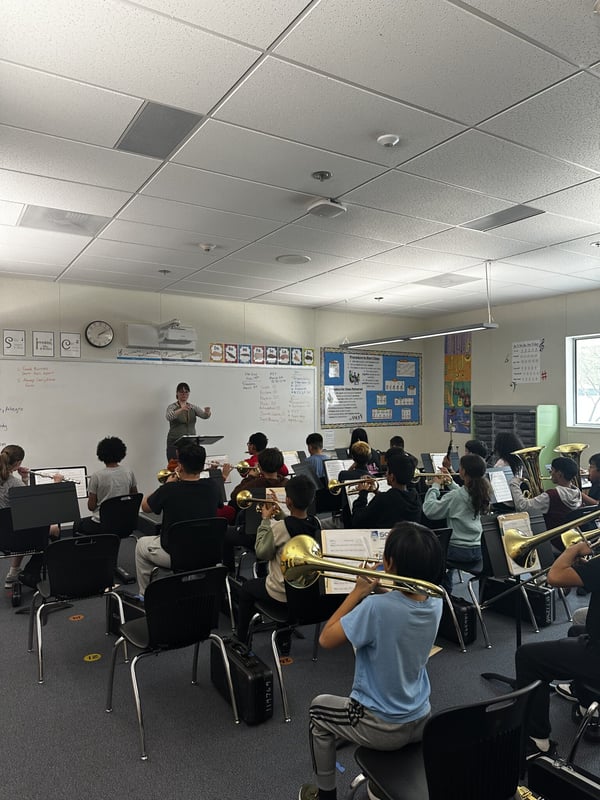
Rebecca Monson teaches music in California's Clovis Unified School District and has worked at nine campuses over eight years, which lets her compare school cultures week to week. Virginia R. Boris Elementary is the one campus she's taught at that whole time. P2 was part of everyday conversation there until it faded from daily practice after the pandemic, and her behavior concerns went from almost none to three to five a week. Last year, leadership brought P2 back to the forefront and reinforced it daily and schoolwide. She hasn't written an office referral since.
"One of the biggest differences is consistency. Students hear the same character language in their classrooms, during announcements, and in everyday interactions with staff. Because expectations are reinforced schoolwide, students understand what respect and responsibility look like in action.
Since I teach at multiple campuses, I can compare environments weekly. When P2 is implemented consistently, student behavior and peer relationships are stronger. When it is less visible, the difference shows. The program works best when it is part of the daily culture rather than a stand-alone lesson."
Rebecca Monson, music teacher, Clovis Unified School District
That pattern scales. At Discovery Elementary, six years of consistent P2 helped cut chronic absenteeism 69% and office referrals 47%. At Lobbestael Elementary, a shared character language across every grade helped drive a 75% drop in bus write-ups. Both results come from a short daily practice held up over years.
How a strengths-based character education program fits PBIS, MTSS, and school mental health frameworks.
More than 600,000 military families move each year. Free Pre-K–12 lessons from P2 and Blue Star Families help students make new classmates feel they belong.
Discover P2's new High School Career Readiness resources, built to fit your high school's schedule without adding to teachers' plates.