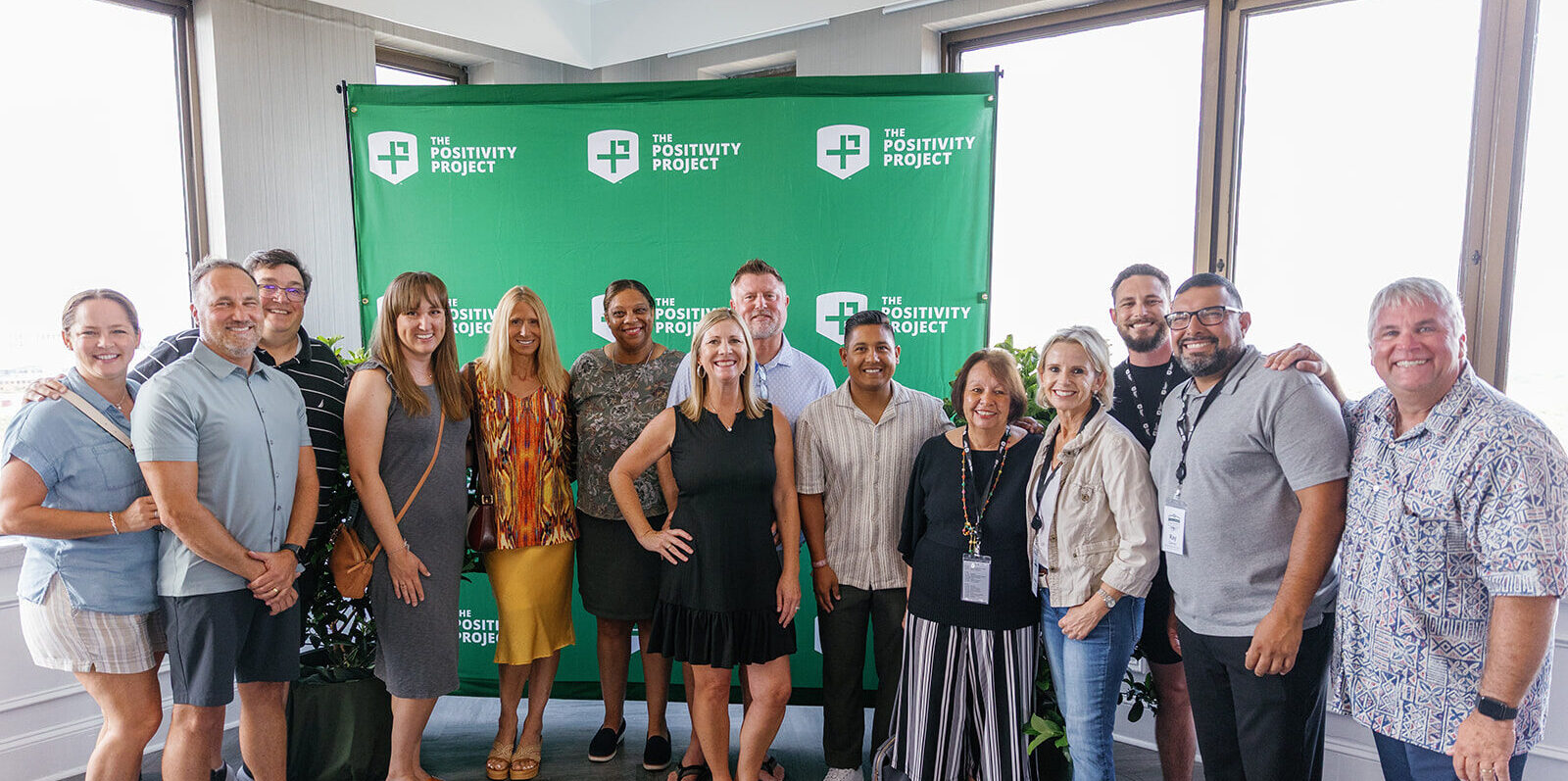
This article was written by The Positivity Project team, drawing on the full Clovis Unified School District case study and perspectives from district leaders and Clovis Elementary Principal Donelle Kellom. Clovis Unified serves more than 43,000 students who speak 53 languages, and it has brought P2 to 40 of its schools through a site-based model where each principal chooses how to implement it.
When Clovis Unified School District (CUSD) leaders were looking for a character education solution, they had a clear bar: it needed to be practical, proactive, and sustainable across a district of 43,000+ students speaking 53 different languages. Existing behavior systems like PBIS were in place, but leaders felt they lacked the depth to address what teachers were seeing in classrooms — students struggling to build relationships and resolve conflict independently.
District leaders also wanted something that could work within CUSD’s site-based leadership model, where each principal has the autonomy to select and implement programs that fit their campus. That meant the program had to earn genuine buy-in at the school level, not just compliance. Principals across the district recognized the alignment between P2’s character strengths framework and the values they were already working to build, and interest grew organically from there.
They partnered with The Positivity Project, rolling it out across 40 schools. The results shifted school culture in ways that extended well beyond behavior.
Read the Full Clovis USD Case Study →
Students Who Wanted to Be There
Clovis Elementary Principal Donelle Kellom heard repeatedly from parents that their children were begging to come to school, even when they were sick. One parent shared that her son had come to dislike weekends because he couldn’t wait to get back to his friends and teachers.
Attendance improved not through enforcement or incentives, but because students felt genuinely connected to their school community.
Behavior Shifted From Reactive to Proactive
Across CUSD campuses, staff reported fewer office referrals and more students resolving peer conflicts on their own. Students were applying character strengths vocabulary in real situations, working through disagreements without needing adult intervention.
As one district leader described it, when students can navigate conflict with a peer instead of escalating to an adult, the culture of the classroom and playground changes. CUSD built that capacity by teaching character concepts before problems arose rather than only addressing behavior after the fact.

A Shared Language Across Every Campus
Because all elementary schools focused on the same character strength each week, the vocabulary became universal. Students heard the same language from classroom teachers, playground staff, and at home through weekly certificates and parent resources. Whether a student was in the cafeteria, on the playground, or in an after-school program, they encountered the same terms and the same expectations.
One site leader shared an example: a third grader found money on the playground and immediately turned it in, citing integrity — a strength the school had just covered that week. That connection between lesson and lived experience is exactly what district leaders were hoping for.
Parents noticed the shift, too. One parent described The Positivity Project as something she wished every family had access to at home, noting how it enhanced her ability to connect with her child around values and character.
Easy Enough for Brand-New Teachers
CUSD administrators noted that even first-year teachers were able to implement P2 from day one. The program’s daily slide decks, videos, and materials require no prep, which helped maintain fidelity across campuses regardless of staff experience level. Principal Kellom noted that four brand-new teachers on her staff didn’t skip a beat.
This ease of use mattered at a district scale. When a program is simple enough that any educator can pick it up immediately, implementation stays consistent across dozens of campuses — and that consistency is what allows a shared culture to take hold.
Clovis Unified’s implementation shows what’s possible when character education is embedded into daily school life with consistent language, genuine buy-in, and tools that work for every educator in the building.
Read the Full Clovis USD Case Study →
Interested in what P2 could look like for your district? Start a free pilot or speak with our team.
The Positivity Project
The Positivity Project (P2) is a research-based PreK–12 character education curriculum. Grounded in positive psychology’s 24 character strengths, P2 gives educators ready-to-use daily lessons that build character and create connected school communities.