Persistence is often more important than intelligence. Approaching material with a goal of learning it on your own gives you a unique path to mastery.
-Barbara Oakley
For an overview of each weekly slide presentation, please skip below to your specific grade level.
-
To see the 1-page Love of Learning Character Card and share it with your students’ families, click here.
-
For the P2 Reflection Journals, used by all elementary students at the end of the week, click here.
Love of learning means that you master new skills and topics on your own or in school. Those with a love of learning are intrinsically motivated and engaged in a topic regardless of achieving an external standard. They enjoy learning simply for the sake of learning. They don’t need a prize or a high grade as a reward. Their reward is the process of doing the work and improving.
People who love learning experience positive feelings in the process of acquiring skills, building on existing knowledge, or learning something completely new. Over time, individuals with this strength may develop deep and wide knowledge. Their knowledge enables them to make significant contributions to others’ understanding.
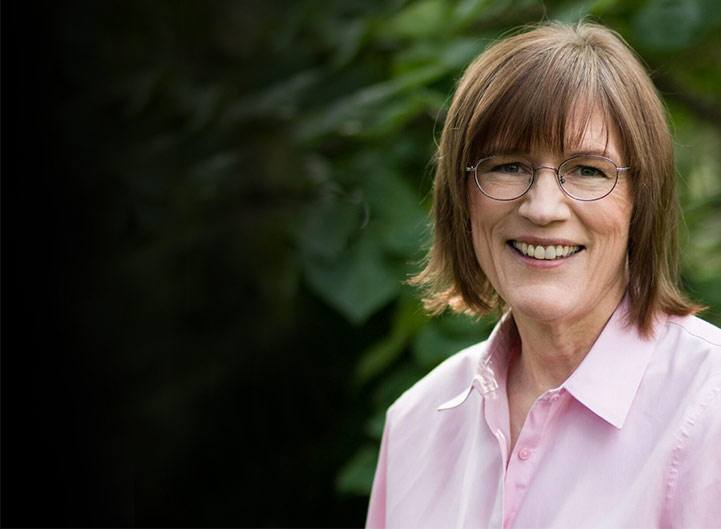
This week’s example is Dr. Barbara Oakley. Oakley is currently a professor at Oakland University and the author of numerous books. But, as she explains on her website, her love of learning goes beyond academics. “I love to bring fresh perspectives into my books by applying knowledge and experience from many different disciplines, as well as from ‘real world’ experiences. Although I’m now a professor of engineering, I’ve also worked in lots of different places and doing very different things: serving as a Russian translator on Soviet trawlers up in the Bering Sea, teaching in China, going from US Army private to Regular Army Captain, and working as a radio operator at the South Pole Station in the Antarctic.”
See below for an overview of her book A Mind for Numbers: How to Excel in Math and Science in which she describes “learning how to learn” by switching between focused and diffuse attention. The fact that she “flunked her way through high school math and science courses” makes this book (and her job as a professor of engineering) even more exceptional.
So, why does love of learning matter?
Developing a love of learning is highly beneficial for an individual. It means that they are intrinsically motivated to deepen their existing skills and abilities, or learn something completely new. Since intrinsically motivated action is correlated with positive emotions, those who act on their love of learning may also have enhanced mental and physical health. Additionally, individuals who love learning have the desire and ability to overcome challenges, due to a sense of autonomy and control over their environment.
On a group level, love of learning is crucial. The best leaders have an insatiable desire to learn. It’s love of learning that compelled Benjamin Franklin to fly a kite and make significant advances in electricity. It’s love of learning that led Nelson Mandela to study Afrikaans (the language of his oppressors) and read a smuggled copy of Shakespeare, while locked in Robben Prison. And it’s only by learning and experimenting that we continue to grow.

And, as a reminder, you can find all of our weekly slide presentations on our website’s Resources page here. This page is the place that we recommend you go to access all of the resources — not via Google Drive folders.
To find your grade level’s presentation, you can simply type the words “love of learning” into the Resource Title search bar or sort by Character Strength and select Love of Learning. Each of those options will provide you with 10 slide presentations and one 1-page character card. For a simple overview of the Resources page, with pictures and videos, click here.

Jeff Bryan
Jeff Bryan is the CEO and Co-Founder of The Positivity Project. In this role, he leads the organization to support educators to empower their students to build positive relationships and become their best selves.