
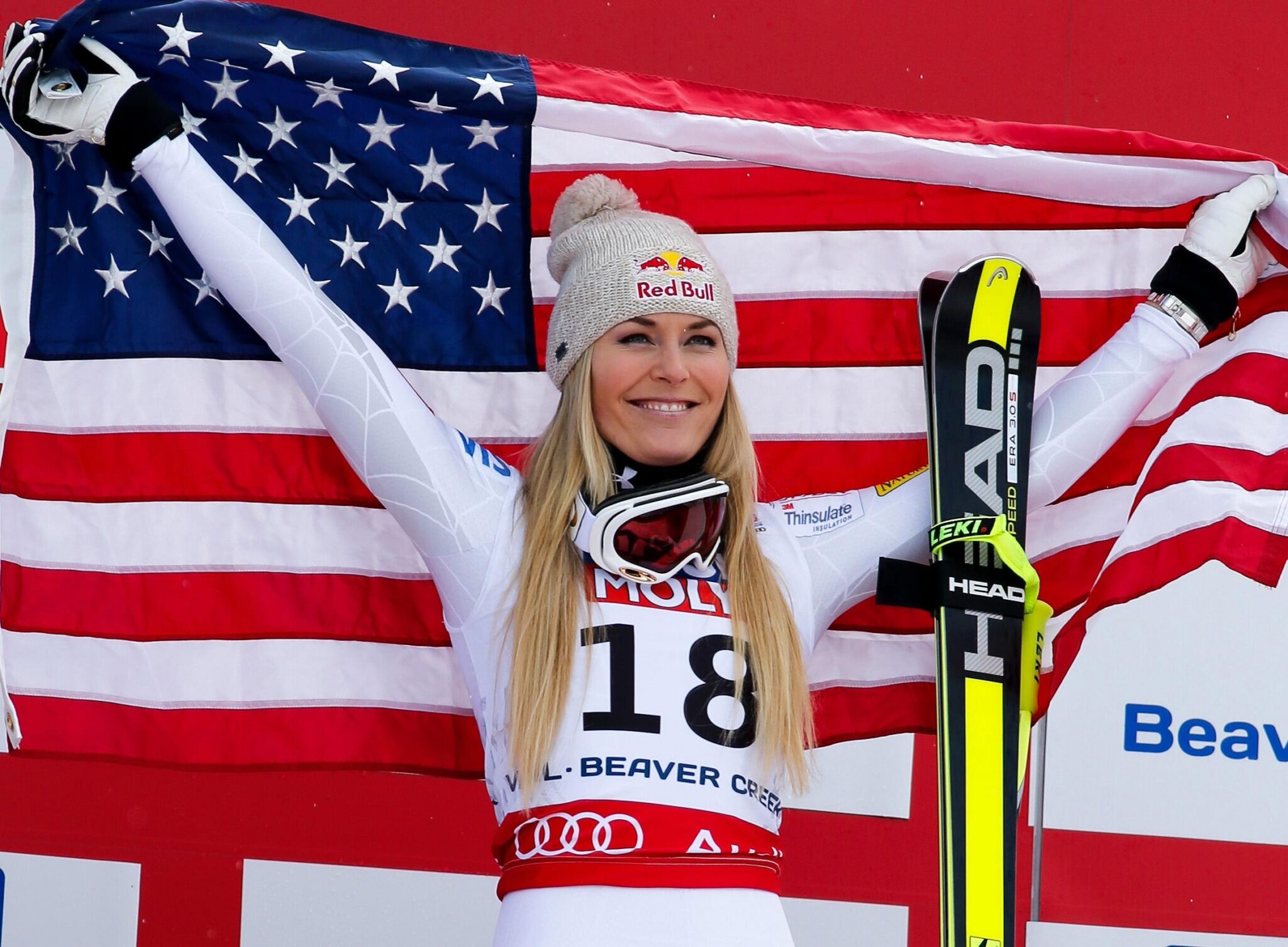
I get up early, but it doesn’t mean I like getting up early.
-Lindsey Vonn
(Photo Credit: ERICH SPIESS/ASP/RED BULL)
For an overview of each weekly slide presentation, please skip below to your specific grade level.
-
To see the 1-page Self-Control Character Card and share it with your students’ families, click here.
-
For the P2 Reflection Journals, used by all elementary students at the end of the week, click here.
Self-control is the act of managing behavior in a way that positively influences goal attainment and living up to standards. Possessing this strength protects people from destabilizing emotional extremes. Those with self-control are able to limit impulsive behavior. They have the ability to experience and navigate difficulty while remaining poised.
They understand that through discipline and restraint, there are greater, long-term goals that they can accomplish. Self-control is related to prudence, in that people with this strength are able to implement extended planning techniques in pursuit of difficult task completion. Self-control does not mean a lack of thoughts, feelings, or impulses; it just means you have command over them.
This week’s example is U.S. professional downhill skier Lindsey Vonn, the winner of three Olympic medals and 10 World Championship medals. Over the course of Vonn’s 16-year career, she’s suffered multiple injuries, to include broken bones, fractures, torn ligaments, and concussions. But, she’s used her self-control to recover from injuries, prepare for competition through highly-disciplined daily routines and — and keep herself calm while racing down mountains at 70 miles-per-hour.
So, why does self-control matter?
For individuals, self-control helps them delay the short-term gain in pursuit of a greater, long-term success. This strength is associated with having an “internal locus of control;” of being in control of (and responsible for) your own personal choices – and the outcomes of those choices. It gives people the power to diet, study for an exam, or practice a musical instrument. Some psychologists have likened self-control to a muscle: it gets stronger the more it’s used.
A group’s ability to demonstrate self-control often appears in the form of “self-monitoring.” This means that individuals demonstrate honesty with one another about successful group practices. When things are unsuccessful, group members have the ability to adjust roles in the interest of overall group success. It’s a crucial strength in our modern society and its mentality of impulsivity and consumption.

And, as a reminder, you can find all of our weekly slide presentations on our website’s Resources page here. This page is the place that we recommend you go to access all of the resources — not via Google Drive folders.
To find your grade level’s presentation, you can simply type the word “self-control” into the Resource Title search bar or sort by Character Strength and select Self-control. Each of those options will provide you with 10 slide presentations and one 1-page character card. For a simple overview of the Resources page, with pictures and videos, click here.

Jeff Bryan
Jeff Bryan is the CEO and Co-Founder of The Positivity Project. In this role, he leads the organization to support educators to empower their students to build positive relationships and become their best selves.