How it works

Character education curriculum for high schools

P2 helps high school students build the character, relationships, and career-ready skills they need for what comes next. Age-appropriate lessons focus on teamwork, leadership, communication, goal setting, and other strengths students can apply in school, work, and life.

Flexible delivery makes it easy to fit P2 into advisory, homeroom, core classes, CTE, or other parts of the school day.

Built around the time that you already have

High schools run on bell schedules, A/B rotations, block periods, and advisory windows that shift from day to day. P2's high school resources were built to fit whatever shape your week takes.

Every P2 school teaches the same character strength the same week, Pre-K through 12. High schools get two sets of lessons to teach it with, and both are in your weekly toolbox from day one.


Whichever a school uses, every classroom stays on the same character strength that week. Teachers get the flexibility. The building keeps the alignment. Teachers open the file and teach — there's no course to adopt and nothing to finish before the first lesson.

Daily Lessons, Grades 9–12

P2's traditional format — a week of short lessons, 10 to 15 minutes each, following the nationwide Pre-K–12 calendar. Best for schools that want a daily rhythm and one shared sequence with every other grade band in the district.

Career Readiness & Portrait of a Graduate

A weekly lesson built for secondary schedules, in two formats: one 30-minute deck, or three 10-minute decks — video and discussion, a strength activity, and a career readiness activity — that teachers can run separately or spread across the week. Each week's strength is paired with a Portrait of a Graduate attribute. Best for advisory, CTE, and schools leading with their own Portrait.

Five ways high schools run P2

Pick the one that fits your schedule and your staff. Most schools start with a single model and add a second the following year.

Advisory-based lessons

The most common starting point and the easiest to schedule. One touchpoint a week in a block you already hold. Run all three components for a full 30 minutes, or take one and leave the rest of the period alone. Best for: schools with a protected advisory, seminar, or homeroom period.
Core content integration

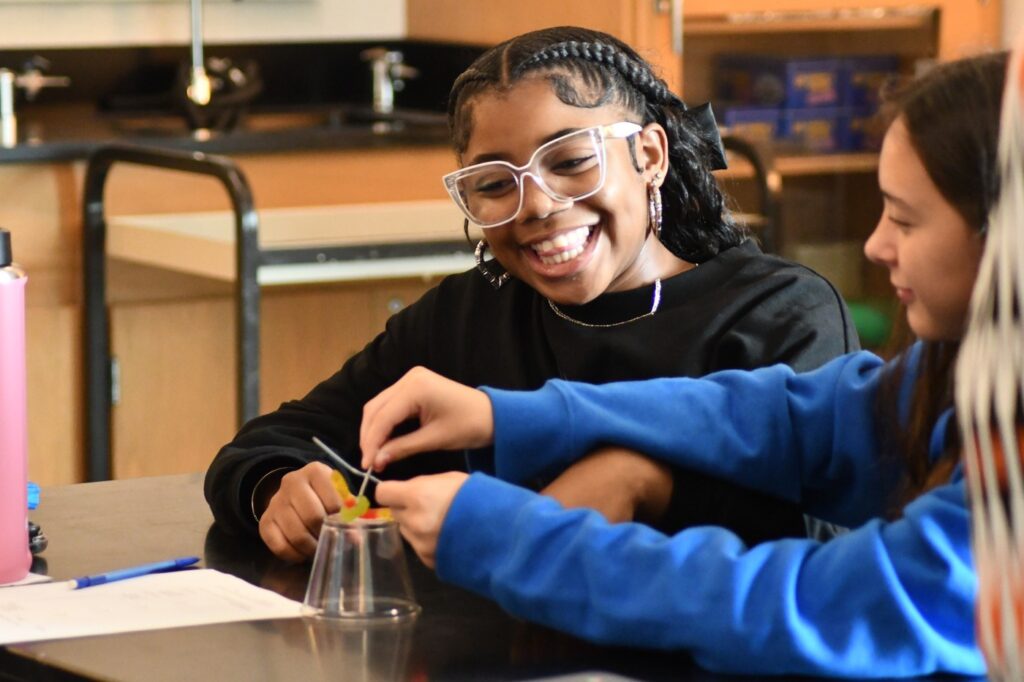
The lesson lives inside a course every student already takes. Health, P.E., freshman seminar, and required English sections are the usual homes. The requirement is already on the schedule, so nothing new has to go on it. Best for: schools with no advisory block but a universal course.
Semester elective

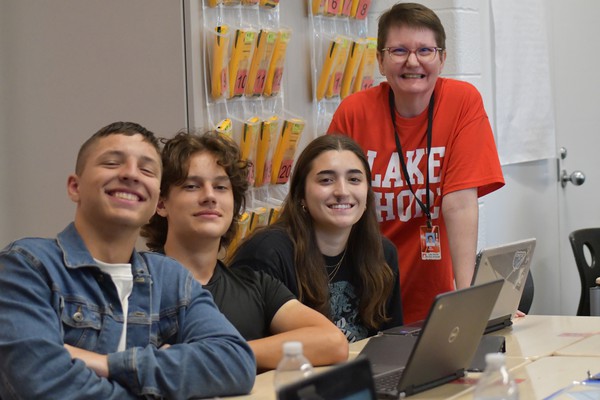
A full-length course in character and leadership, for schools that want more than a weekly lesson. Often paired with peer mentoring or a student leadership role. Best for: schools with elective capacity and a teacher who wants to own it.
CTE and elective pathways

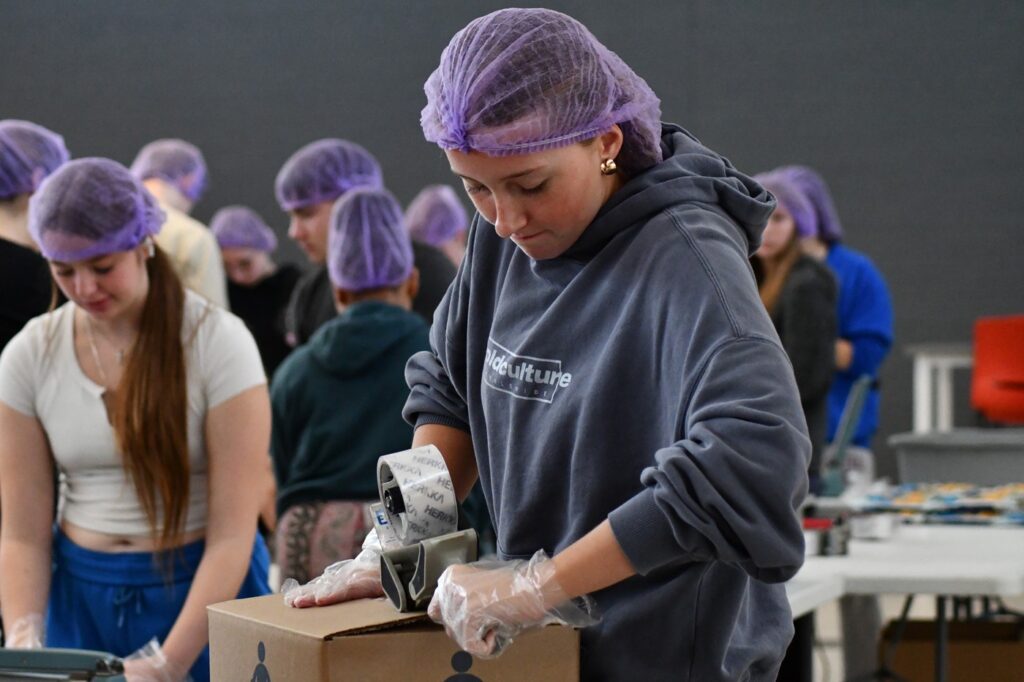
CTE instructors use the Career Readiness Toolbox, which runs workplace topics across grades 9–12 and maps to the employability skills a Perkins-funded pathway already reports on. Business, JROTC, and work-based learning programs use the same lessons. Best for: CTE pathways and career-focused electives.
Student leadership club

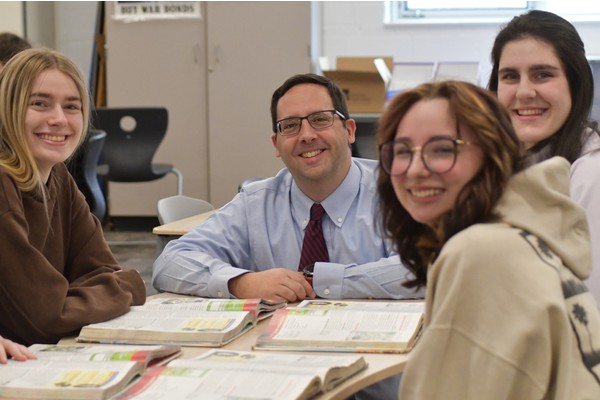
Students run it. A leadership class, student council, or P2 club carries the weekly strength across campus through announcements, assemblies, social media, and recognition, with a staff advisor supervising. Best for: schools building student ownership, or schools where staff bandwidth is the real limit.

Three ways into the Career Readiness Resources

Three doorways into the same set of lessons — not three curricula, and not another scheduling decision. Pull from whichever one matches how your school already talks about this work. (Daily Lessons follow the nationwide calendar and aren't sorted this way.)

calendar-white

The High School Calendar

Follows the same week-by-week sequence as P2's nationwide Pre-K–12 calendar, so a senior and a second grader talk about the same strength in the same week. Best for districts that want one sequence across every grade band.

camera-white

P2's Portrait of a Graduate

Sorts the same lessons under six attributes: Learner, Critical Thinker, Communicator, Collaborator, Citizen, and Leader. Each one is mapped to the character strengths underneath it. Schools leading with their own Portrait can skip the calendar sequence and teach only the attributes they're focused on this year, in whatever order they want. Best for schools that lead with their own Portrait.

tool-white

The Career Readiness Toolbox

Sorts by workplace topic. Communication, professionalism, conflict resolution, work ethic, resumes, and interviews, sequenced across grades 9–12. Best for CTE pathways and career-focused programs.
Where it shows up outside the lesson

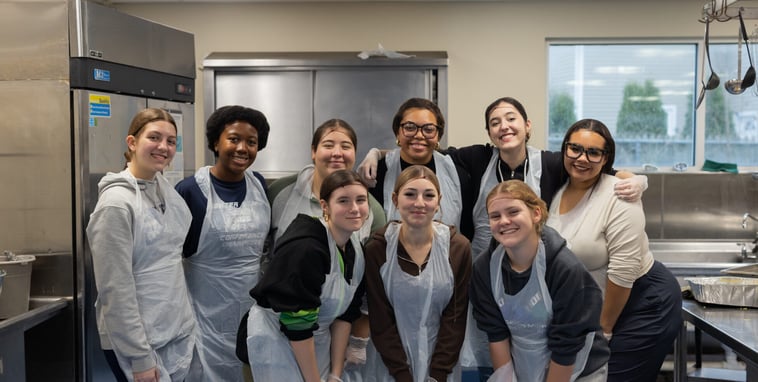
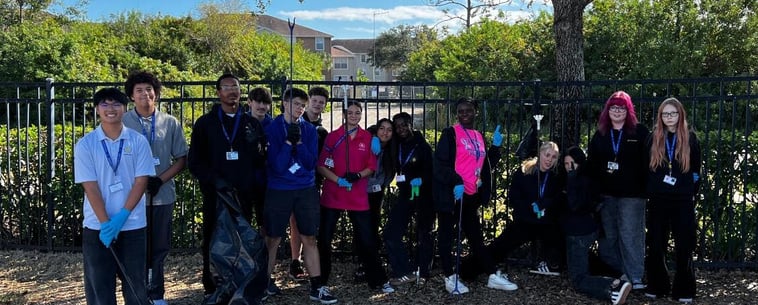
In high schools, the character language travels through the things students already care about.

  • Coaches naming the week's strength at practice, and captains using it in the huddle

  • Announcements, social feeds, and hallway displays run by a leadership class instead of a staff committee

  • CTSO events, work-based learning reflections, and capstone presentations, where students name the strengths they used alongside the work they produced

  • Staff and student recognition tied to a specific strength rather than a general award

  • Senior letters, advisory reflections, and graduation traditions built around what a class did together

You know it's working when students start using the language without a teacher prompting them.

How P2 grows by grade

P2 grows with students from Pre-K through 12th grade. The same character strengths are taught the same week in every school, with different daily lessons for every grade level.

Grades Pre-K - 5

Elementary School

Where P2 runs:
Morning meeting

How often:
5 days a week

How long:
10 to 15 minutes

Who teaches it:
The classroom teacher

Grades 6 - 8

Middle School

Where P2 runs:
Advisory, homeroom, or subject areas

How often:
Daily, or a few days a week

How long:
10 to 15 minutes

Who teaches it:
The teacher whose period it is

Grades 9 - 12

High School

Where P2 runs:
Advisory, homeroom, or a CTE program

How often:
Once weekly, or more

How long:
30 minutes, or one 10-minute lesson

Who teaches it:
The teacher whose period it is

Overall, The Positivity Project is an irreplaceable piece in my high school. It has done more good for our students than I could say here today. Even when you think a student may not be invested in The Positivity Project, I can assure you they are noticing the lessons and taking them into their own hands and implementing them into their daily lives.

West Cabarrus High School Class of 2024 graduate
Cabarrus County Schools, NC

Get Started

Every high school is different—but the path to stronger culture and relationships begins the same way: with a plan.

Read P2 Partner High School Stories