People should not harp upon the past, but should work hard to work for a real ethical future. And if that could be achieved, most of humanity’s problems would be solved.
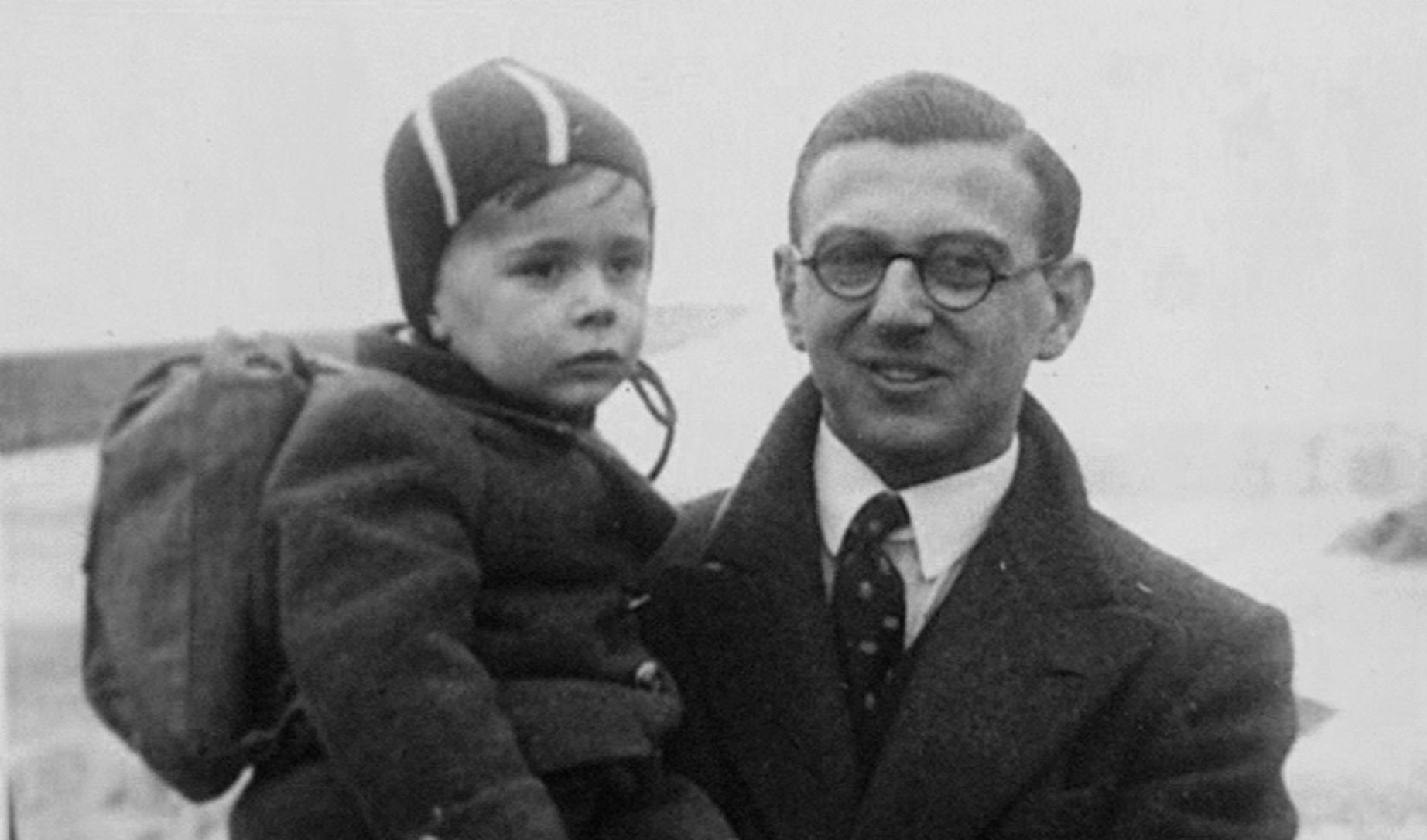
-Sir Nicholas Winton
For an in-depth overview of each weekly slide presentation, please skip below to your specific grade level.
-
To see the 1-page Kindness Character Card and share it with your students’ families, click here.
-
For the P2 Reflection Journals, used by all elementary students at the end of the week, click here.
Starting Monday, Partner Schools nationwide will begin learning about kindness. This character strength is grounded in the belief of a common humanity in which others are worthy of care, attention, affection, and compassion. Aristotle defined kindness as, “helpfulness towards someone in need, not in return for anything, nor for the advantage of the helper himself, but for that of the person helped.”
For an example of kindness, please watch the below video and read this article about Sir Nicholas Winton, who epitomizes Aristotle’s definition. In fact, for nearly 50 years, Winton’s actions, which saved 669 children from Nazi-occupied Europe, remained unknown.
So, why does kindness matter?
For individuals, kindness is correlated with desirable developmental outcomes. It is related to other-oriented emotions, like empathy (the ability to experience the emotional state of another person) and sympathy (the tender emotion of concern for another’s difficulty). Psychologists have even traced kindness and generosity as the keys to healthy, happy, and lasting marriages.
On a group level, kindness is very important. In addition to empathy and sympathy, the character strength of kindness is indicative of an individual’s moral reasoning capacity and level of social responsibility. That means people who develop kindness possess a strong personal ethical responsibility to care for other people. And, their acts of kindness towards others lead to additional acts of kindness by those who have been helped.

And, as a reminder, you can find all of our weekly slide presentations on our website’s Resources page. Enjoy the slides — and please be sure to let us know how it’s going by posting to Twitter and using the #PositivityInAction hashtag!

Jeff Bryan
Jeff Bryan is the CEO and Co-Founder of The Positivity Project. In this role, he leads the organization to support educators to empower their students to build positive relationships and become their best selves.