
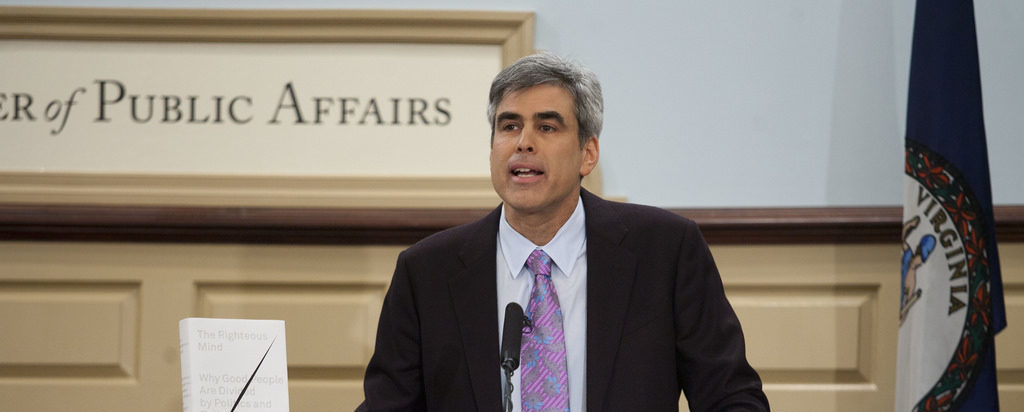
You’ll never find a human culture that makes no use of reciprocity and has no conception of fairness and cheating. Fairness is a really good candidate for being a moral taste bud, yet cultures vary greatly in how they implement fairness.
-Jonathan Haidt
For an overview of each weekly slide presentation, please skip below to your specific grade level.
-
To see the 1-page Fairness Character Card and share it with your students’ families, click here.
-
For the P2 Reflection Journals, used by all elementary students at the end of the week, click here.
Fairness means that you believe that all people have value. You approach situations with an unbiased mindset and treat everyone with respect. Fairness is complex. That’s because it is the product of moral judgment – the process by which people determine what is morally right and what is morally wrong. Moral reasoning has been explored and analyzed in two main traditions: the justice reasoning approach and the care reasoning approach.
Justice reasoning emphasizes the use of reason and logic. In justice reasoning, fairness is determined by objectively weighing what is right or wrong, as determined by a group, society, or universal ethical principles. Care reasoning, by contrast, emphasizes care and compassion. This approach uses concepts like empathy – and understanding and accounting for the needs, interests, and well-being of another person – when making moral decisions.
Although the two approaches are different, most people use a blend of justice and care reasoning when making choices related to fairness.
This week’s example is Jonathan Haidt (pronounced “Height”). He is a college professor, author, and co-founder of the Heterodox Academy. You may remember Haidt from Open-Mindedness Week. While it’s rare to highlight the same person twice in the same year, Haidt’s research on fairness is very timely for Americans to understand in today’s contentious political climate. As he explains in this article, “Arguments about fairness are interminable in part because there are three different kinds, making it easy for left and right to talk past each other.”
To read about the three types of fairness (procedural fairness, proportionality, and equality) as well as the moral matrices that his research shows predict an individual’s political leanings, click here. And, to see his 2008 TED Talk on the moral roots of our political leanings, see the video below.
So, why does fairness matter?
For individuals, cultivating the character strength of fairness is correlated with highly desirable developmental
outcomes. It helps people to become trustworthy friends, responsible citizens, and generally moral people.
Fairness is also essential for the good of the group. As individuals develop the capacity for moral reason they often find a strengthening of: the aptitude for self-reflection; self-awareness and self-confidence; and perspective taking (i.e. the ability to “put themselves in another’s shoes”). When taken together, these skills significantly enhance a person’s ability to solve interpersonal and group relationship problems.

And, as a reminder, you can find all of our weekly slide presentations on our website’s Resources page here. This page is the place that we recommend you go to access all of the resources — not via Google Drive folders.
To find your grade level’s presentation, you can simply type the words “fairness” into the Resource Title search bar or sort by Character Strength and select Fairness. Each of those options will provide you with 10 slide presentations and one 1-page character card. For a simple overview of the Resources page, with pictures and videos, click here.

Jeff Bryan
Jeff Bryan is the CEO and Co-Founder of The Positivity Project. In this role, he leads the organization to support educators to empower their students to build positive relationships and become their best selves.