


A Look at Year Two of P2 at Warrensburg Elementary
By Damian SwitzerThis article was written by Damian Switzer, Interim Principal of Warrensburg Elementary School in Warrensburg Central School District, located in New York. Damian retired as a high school principal after 35 years in education before taking the interim elementary position, where he has helped lead the continued rollout of The Positivity Project (P2).
This year, the Building Leadership Team at Warrensburg Elementary School set three building-wide goals: strengthen our school community and culture, invest in student character building and behaviors, and create a more focused approach to academics and state testing to increase student performance in each grade level.
We were determined to make real changes that would improve both academic performance and the daily experiences of our students, staff, and families.
Rolling Out P2 Across the Building
As the new school year began, our character education curriculum committee was ready to roll out targeted work to support these goals, including teacher leaders, data analysis protocols, grade-level team meetings, student mentoring, and schoolwide assemblies centered on our priorities of academics, wellness, communication, and character.
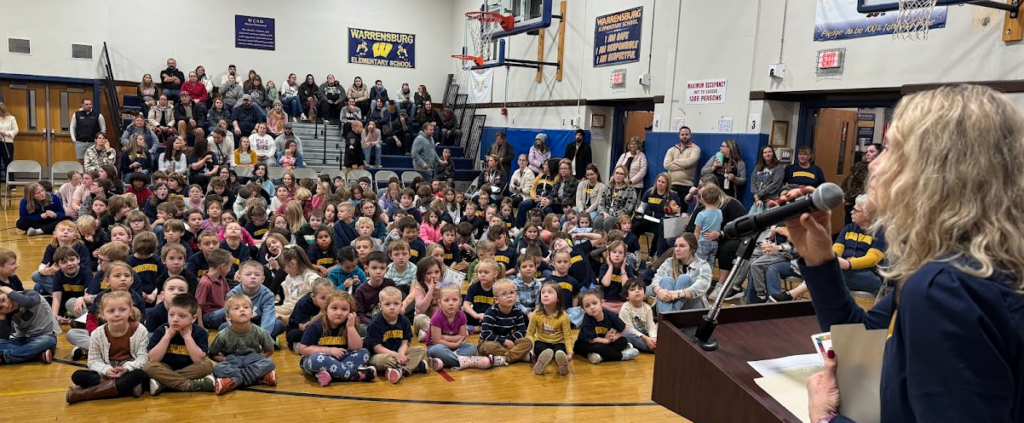
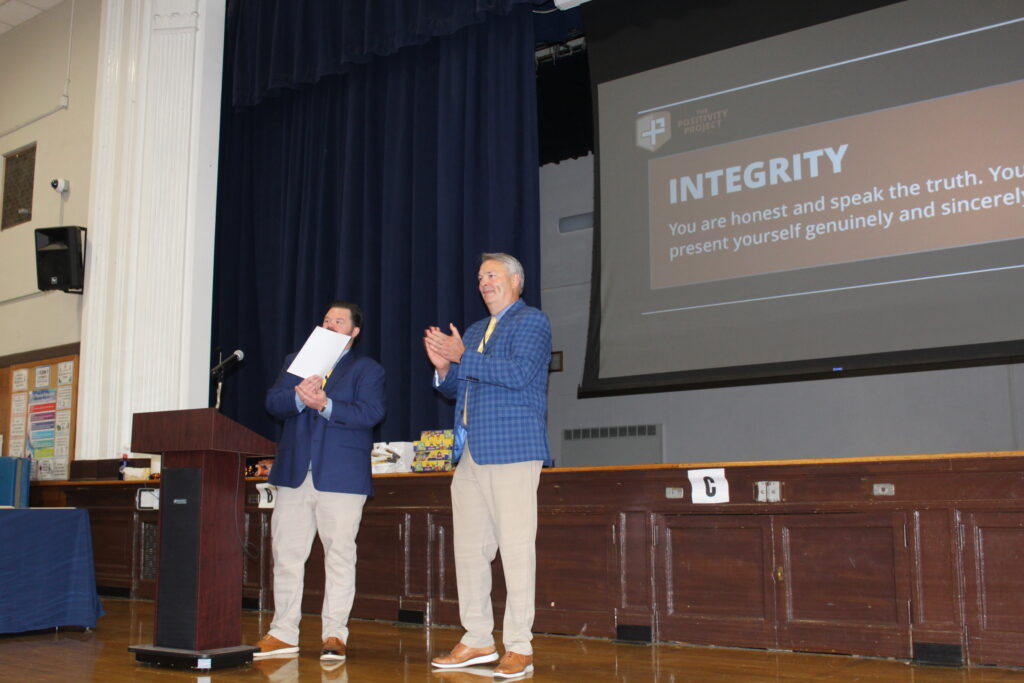
Among the most significant changes was fully rolling out The Positivity Project (P2). Teachers use P2 lessons each day, and our counseling department pushes in weekly to run P2 lessons as well. We hold monthly assemblies focused on a specific character strength, where we recognize students and staff members who represent that strength.
Do Your Best at WES
P2 gave our school a strong foundation for the kind of culture we wanted to build, one in which every student can contribute to a safe and supportive school environment.
To show our commitment, we provided WES t-shirts to every student with #Empowered printed on the back. Students proudly wear their “Do Your Best at WES” shirts on our P2 Pride assembly days, when the entire community is invited to join us.
P2 offered a clear, practical way to strengthen character and relationships consistently so that we could connect our school goals to a shared approach across the whole community. The character strength posters, digital signage, morning announcements, explicit lessons, and daily conversations are building a shared, layered learning experience.
In year two, we are hearing students use the character strength language more often as it becomes familiar.
Connecting Character Strengths to Academic Content
The curriculum offers a wide range of graphic tools, stories, videos, activities, games, and songs that engage students in learning the character strength themes and help them make real-life connections.
Teachers can connect this knowledge to content in academic lessons. They might encourage discussion about the character strengths demonstrated by the characters in a language arts passage or story.
P2 in The Classroom
We implement P2 during our morning meetings and consistently throughout the entire school day. The themes come up naturally in our lessons and interactions.
We highlight bravery when a shy student raises their hand to participate. We recognize kindness when students compliment or support one another. We call attention to perseverance when students work through challenging academic or social situations.
P2 has shifted our classroom dynamic by placing a strong emphasis on character alongside academics. It reinforces the idea that students are more than their grades. They are curious, creative, and capable individuals.
We often emphasize that academic success matters, and that good grades without the ability to be kind and resilient will only take a student so far. Those interpersonal skills are what people need for a healthy and happy life. This mindset has helped create a more inclusive and supportive classroom.
Ending the Day With Shoutouts
One routine we have established is ending the day with student shoutouts. During this time, students recognize their peers for positive actions they observed, such as showing kindness, effort, or teamwork. This practice reinforces P2 character strengths from start to finish and encourages students to look for the good in others actively.
Students Built Their Own Board Games
For our P2 Spirit Week, we asked students to create a game that incorporated the character strengths we had worked on this year.
The students went well beyond expectations and created a variety of board games that challenged players to use different character strengths in creative, made-up scenarios. It was a great way for them to collaborate, use their knowledge of P2 content independently, and share what they knew with their peers.
Studying the Same Strengths Year After Year
It has been rewarding to see students develop a deeper understanding of how these character strengths affect their lives as they study them year after year.
One student in particular has been able to reflect with real maturity on how learning these skills will make a difference for him. He shared with his peers and teacher that adult members of his family have struggled in the past. He said he knows his family members are good people who never got the chance to learn about or practice skills like open-mindedness, bravery, or self-control.
He knows he has the opportunity to learn those skills and practice the ones that are difficult for him, so he has a better chance of making good choices throughout his life. It was moving to witness his openness and to see the other students make space for him and listen.
Overall, students are responding well to learning about character strengths and relationships. They are becoming more aware of their own behaviors and the effect those behaviors have on others. It has strengthened peer relationships and contributed to a more respectful, encouraging classroom culture.