


How One Music Class Went From Weekly Behavior Concerns to None
By Rebecca MonsonThis article was written by Rebecca Monson, an elementary music teacher for several schools in the Clovis Unified School District in California. Rebecca has taught music for eight years across nine different campuses, working with students in grades 1 through 6. Virginia R. Boris Elementary is the only school where she has taught consistently over that period, giving her a long view of how The Positivity Project (P2) shapes school culture.
As an elementary music teacher in Clovis Unified School District, I work with students across multiple campuses each week. In my eight years with the district, I have taught grades 1 through 6 at nine different schools. Because I travel between sites, I get to observe how school culture directly influences student behavior and engagement.
Virginia R. Boris Elementary is the only campus where I have taught consistently throughout those years. That consistency has let me see how implementation of The Positivity Project (P2) shapes a school community over time.
When P2 Was Part of Everyday Conversation
When Boris first implemented P2, character strengths were part of everyday conversations. Students and staff used a shared language centered on gratitude, perseverance, and respect. Expectations were clear and consistent. In music class, where listening and cooperation are essential, I saw the benefits in how students interacted with one another.
After COVID, the focus understandably shifted toward academic recovery and student well-being. P2 remained in place across the district, though it was not always emphasized in the same way. Without consistent reinforcement, the shared language of character was less visible in daily routines.
Three to Five Behavior Concerns a Week
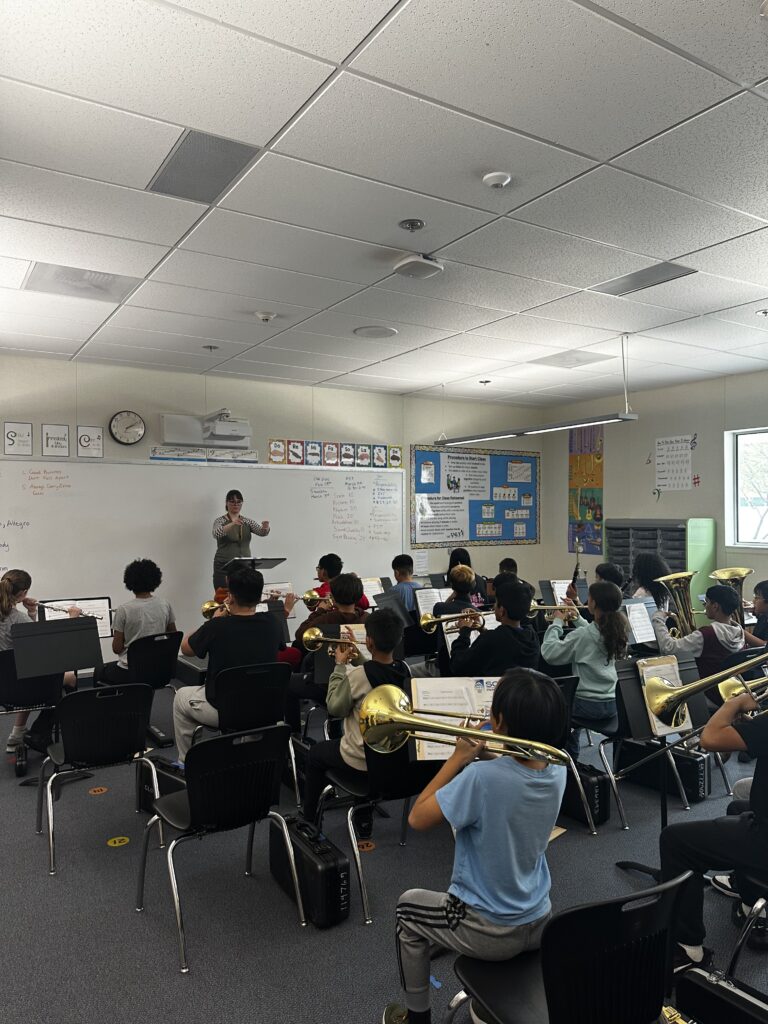
I began to notice the difference in my classroom. In previous years, I averaged about three to five behavior-related concerns per week across my classes. Several periods required regular redirection, and occasional office referrals occurred when situations escalated. Group activities were harder to facilitate, and students were sometimes reluctant to take risks or show vulnerability during performances.
Bringing P2 Back to the Forefront
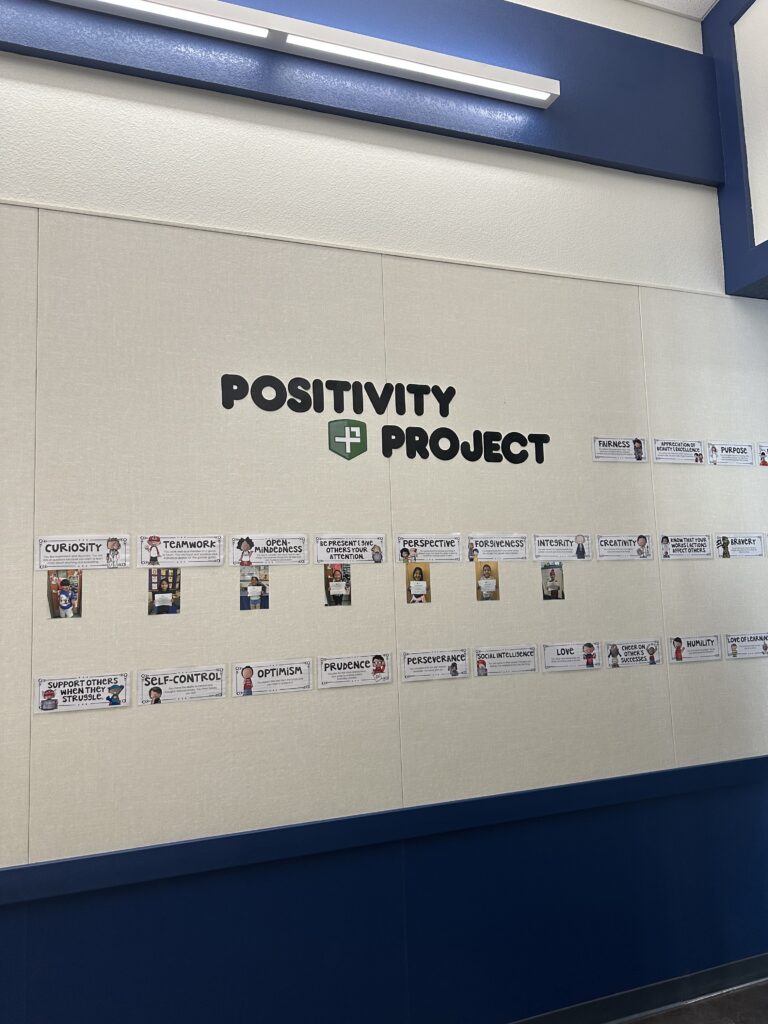
Last year, there was a clear shift. Principal Mrs. Vincent-Walker and Vice Principal Rene Cardona made a focused effort to bring P2 back to the forefront of the school’s culture. Character strengths were consistently referenced, reinforced, and modeled. Expectations were communicated clearly, and the message was the same across campus. Character education was treated as a priority, not an add-on.
Zero Office Referrals This Year
The result this year has been noticeable. I have not written a single office referral. Moving from an average of three to five weekly behavior concerns to none has been significant.
Transitions are smoother. Students line up more efficiently. Musical games run with fewer interruptions. Students are more patient with one another and more willing to participate.
When we study music from different cultures, students approach it with curiosity. They listen more carefully when classmates share ideas. When disagreements occur, they are handled more respectfully. The overall tone of the classroom feels calmer and more cooperative.
Why Consistency Is the Difference
One of the biggest differences is consistency. Students hear the same character language in their classrooms, during announcements, and in everyday interactions with staff. Because expectations are reinforced schoolwide, students understand what respect and responsibility look like in action.
Since I teach at multiple campuses, I can compare environments weekly. When P2 is implemented consistently, student behavior and peer relationships are stronger. When it is less visible, the difference shows. The program works best when it is part of the daily culture rather than a stand-alone lesson.
The Role Leadership Played
At Boris Elementary, leadership has been central to re-establishing that consistency. The administrative team has kept classrooms aligned and maintained a clear focus on character and belonging.
For me, the reduction in weekly behavior concerns reflects stronger relationships and clearer expectations. Students appear more comfortable taking risks in music class, whether that means singing in front of peers or trying something unfamiliar. They seem more confident and more supportive of one another.
P2 has helped restore a shared language of character at Boris Elementary. Through steady leadership and consistent reinforcement, the school culture has strengthened in ways that are visible day to day. When students feel respected and supported, they are more ready to learn and more willing to grow.