


The SMART Challenge: Teaching Students to Celebrate Each Other
By Emilee ForbesThis article was written by Emilee Forbes, School Counselor at Lincoln Elementary School in Dinuba Unified School District, California. Emilee is in her fifth year at Lincoln and helps lead the school’s Tier 1 team, which builds a schoolwide character challenge each month around The Positivity Project (P2) calendar. She is available to students, staff, and parents who need to talk in a confidential setting.
This February, Lincoln Elementary School wanted to focus on students understanding that everyone is unique and on the importance of recognizing that. Using the character strengths of love and social intelligence along with the Other People Mindset (OPM), we built our SMART Challenge, a month-long focus where students learn to cheer on the success of others. The idea behind it is simple. Smart kids celebrate others.
How Our Team Picked the February Challenge
We meet monthly with our Tier 1 team to decide on the following month’s challenge based on our school behavioral data. The Positivity Project (P2) calendar plays a big part in our overall messaging to staff and students, so we decided the best way to include the entire campus along with the three character strengths for February was the SMART Challenge. We wanted February to be about character development rather than only Valentine’s Day.
SMART became the structure for that, and it gave students behaviors they could practice daily. We aligned it with three things:
1. OPM, helping students understand that their words, actions, and attention communicate value.
2. Love, meaning the everyday choices to show care, respect, and encouragement.
3. Social intelligence, teaching students to read situations, respond appropriately, and build positive peer relationships.
What SMART Stands For
The acronym gave students five things they could actually do.
S: Spot Success. Notice when someone is trying, improving, or doing well.
M: Mention It. Say something kind out loud. A simple compliment goes a long way.
A: Applaud Effort. Recognize hard work, not just results.
R: Respect Differences. Understand that everyone shines in different ways.
T: Team Mindset. Remember that we all do better when we support each other.
Mini Lessons, SMART Tickets, and Smarties
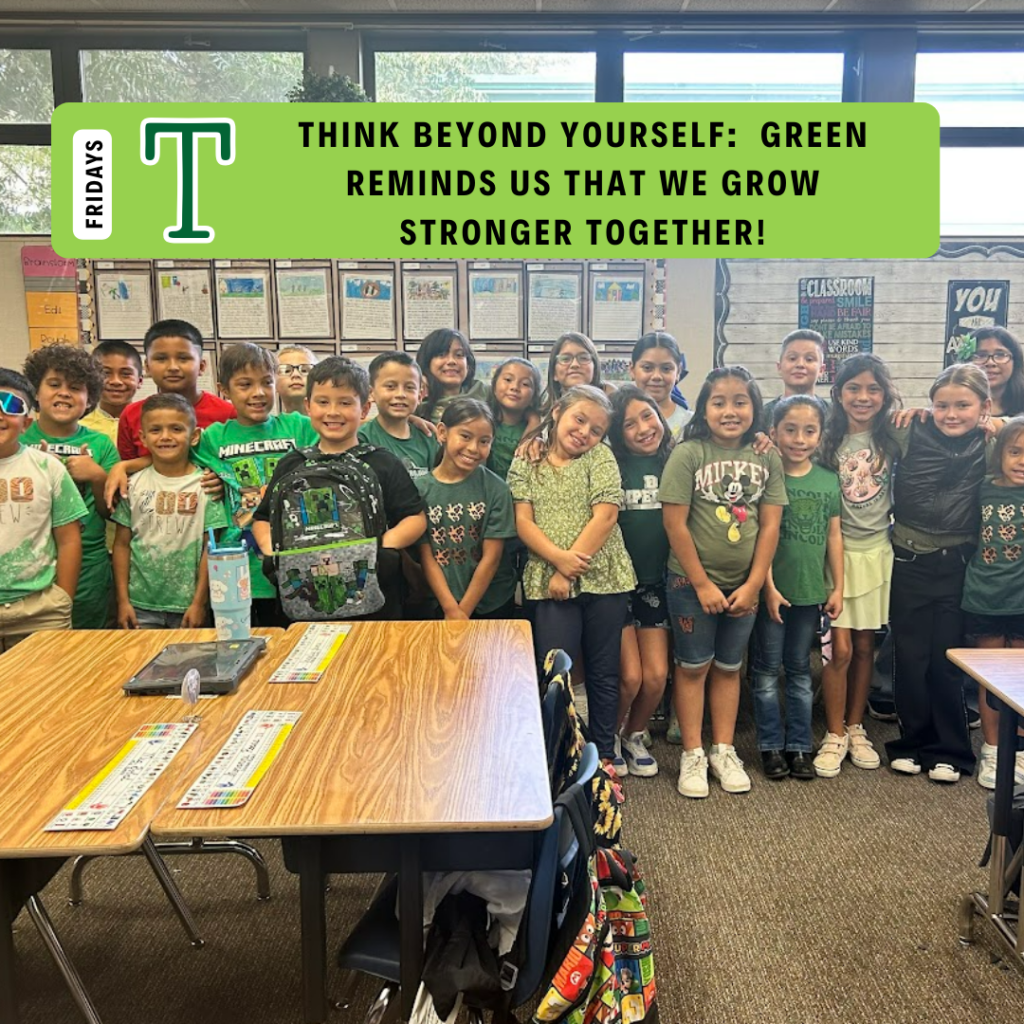
Throughout the month, classrooms reinforced these ideas through a short mini lesson, morning meetings, and dress-up color days. Students earned SMART tickets, which were announced during our whole school morning meeting on Zoom. We also used SMARTIES candy as a visual reminder and a fun symbol of being SMART with our words and actions.
Kindergarten had a special guest reader for The Smart Cookie, and those classes took part in a community circle on the topic of what you are good at, which introduced the idea of uniqueness.
A SMART Slip From a 5th Grader
The slips produced moments we did not plan for. One of our 5th grade teachers shared a story from her classroom. She had just dismissed students for lunch and was sitting down to eat her own lunch when a student came back through the door asking for a SMART slip. The student walked over to her desk and wrote an acknowledgement for a classmate who had encouraged another student struggling during reading groups.
It was a stand-out moment for the teacher because the whole interaction took place outside her classroom. A few of her students attend reading groups with another teacher. During that time, and without an adult prompting them, those students recognized that the reading task was harder for some of them than for others, and that a classmate who was working through something difficult deserved encouragement.
Our Goal by the End of the Month
The SMART Challenge helps students practice skills they will use for the rest of their lives, including encouragement and an understanding of the people around them. They begin to see that celebrating someone else’s success does not take anything away from them, and that it makes the entire school community stronger.
By the end of the month, our goal is for students to notice the good in others, to speak it out loud, and to understand that kindness, encouragement, and respect are what make a school, and a person, SMART.