

Building Character and Community at CVES with The Positivity Project
By Savanna-Lin FrederickThis partner school story was written by Savanna-Lin Frederick, an elementary special education teacher at Champlain Valley Educational Services’ Rise Center for Success. Frederick shares how The Positivity Project (P2) is brought to life in CVES school culture through daily classroom routines that help students discover their strengths, build confidence, and feel deeply supported and connected.
Bringing The Positivity Project to Life in Our Classrooms
At our school, The Positivity Project isn’t just a program—it’s a mindset woven into daily routines. Teachers have the flexibility to make P2 meaningful for their students, and that’s what makes it so powerful.
Morning Meetings with Purpose
Many educators start the day with P2 slides and discussion prompts, creating space for reflection and connection before academics begin. These conversations set a positive tone and help students begin the day feeling grounded and supported.
Deep Dives into Character
Others dedicate time each week for writing, reading, and group activities that explore the featured character strength in depth. Students might write about how they’ve shown gratitude or read stories that highlight perseverance.
Counselor-Led Scenarios
Our counselors bring these strengths to life through real-world examples in group lessons, helping students see how character strengths apply beyond the classroom. These sessions often spark meaningful conversations about friendships, challenges, and choices.
Students love these lessons because they’re interactive, relatable, and give them a chance to discover strengths they didn’t know they had. They often share personal stories, which makes the learning authentic and impactful.
How Students Respond—and Why It Matters
Since implementing P2, we’ve seen incredible growth in how students view themselves and others. Here’s what stands out:
Self-Discovery Moments
Weekly focus on a single strength helps students identify areas for growth. A student who once gave up easily now talks about perseverance. A quiet student finds courage to speak up during a bravery discussion. These small but powerful shifts build confidence and resilience.
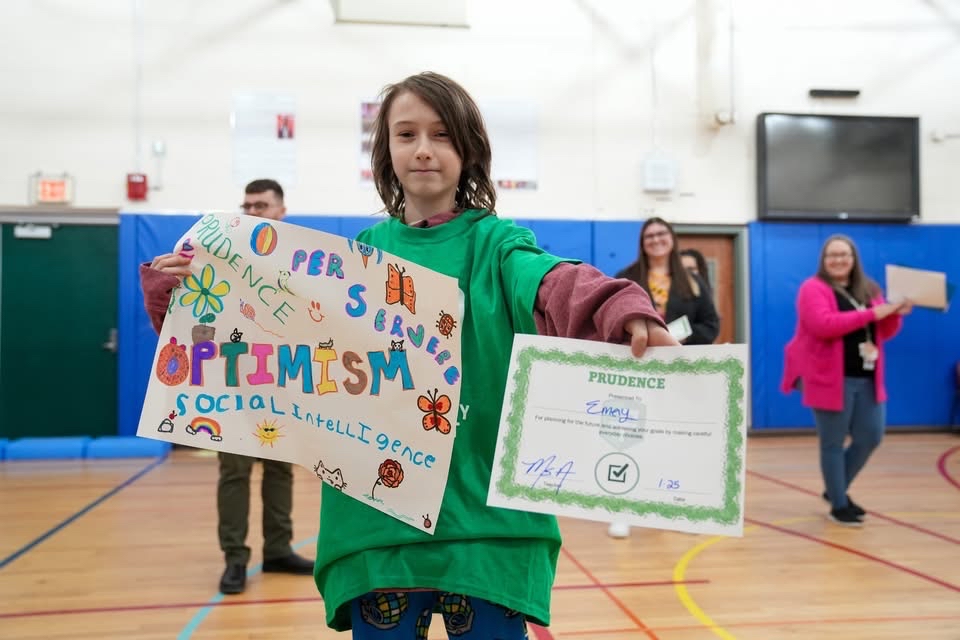
Celebrating Strengths
Recognition matters. Whether it’s a classroom shout-out or a spotlight at our quarterly assembly, students feel proud when their character strengths are noticed. These affirmations reinforce that who they are—and how they treat others—truly matters.
Students often say they feel more connected to their classmates because they understand each other’s strengths. This sense of belonging is one of the most meaningful outcomes of P2.
Building a Culture of Empathy and Respect
The ripple effect of P2 goes beyond individual growth. Students are learning to approach peers with empathy, resolve conflicts thoughtfully, and build friendships rooted in respect. Teachers report fewer conflicts and more collaborative problem-solving.
Staff members benefit too. The shared language of character strengths creates unity among teachers and support staff, reminding us that we’re all working toward the same goal: a school culture where character counts.
The Positivity Project isn’t just shaping students—it’s shaping our entire community. Together, we’re building a school where every strength is valued, and every person feels connected.