

What Ongoing Character Education Changed at Red Bank Elementary
By Nathan MadrigalThis article was written by Nathan Madrigal, Teacher on Special Assignment and Guidance Instructional Specialist at Red Bank Elementary, located in the Clovis Unified School District. Nathan is in his fifth year in education and taught 2nd and 3rd grade at Red Bank, where he used The Positivity Project for his daily morning meetings before moving into an administrative role.
The Positivity Project (P2) has done more than introduce a set of character strength lessons at Red Bank Elementary. It has reshaped our school’s daily rhythm and strengthened how students and staff relate to one another. By centering the Other People Mindset (OPM) and elevating strengths like kindness, teamwork, and integrity, the curriculum has helped create a school culture that feels more connected and more supportive.
I spent my first years here teaching 2nd and 3rd grade, and I used P2 exclusively for my morning meetings to start the day. Now that I am moving into administration, I still use those same principles and notice them throughout the entire campus.
A Schoolwide Change Toward the Other People Mindset
One of the most meaningful changes has been the way students now pause to consider how their actions affect others. This mindset shows up in hallway interactions, group work, and even moments of conflict. Students are more likely to check in on a classmate who seems upset, include someone who is standing alone, or celebrate a peer’s success without feeling competitive.
Teachers have noticed that this shared language has become a natural part of conversations, helping students reflect on their choices and consider the people around them as situations unfold.
Kindness That Feels Visible and Contagious
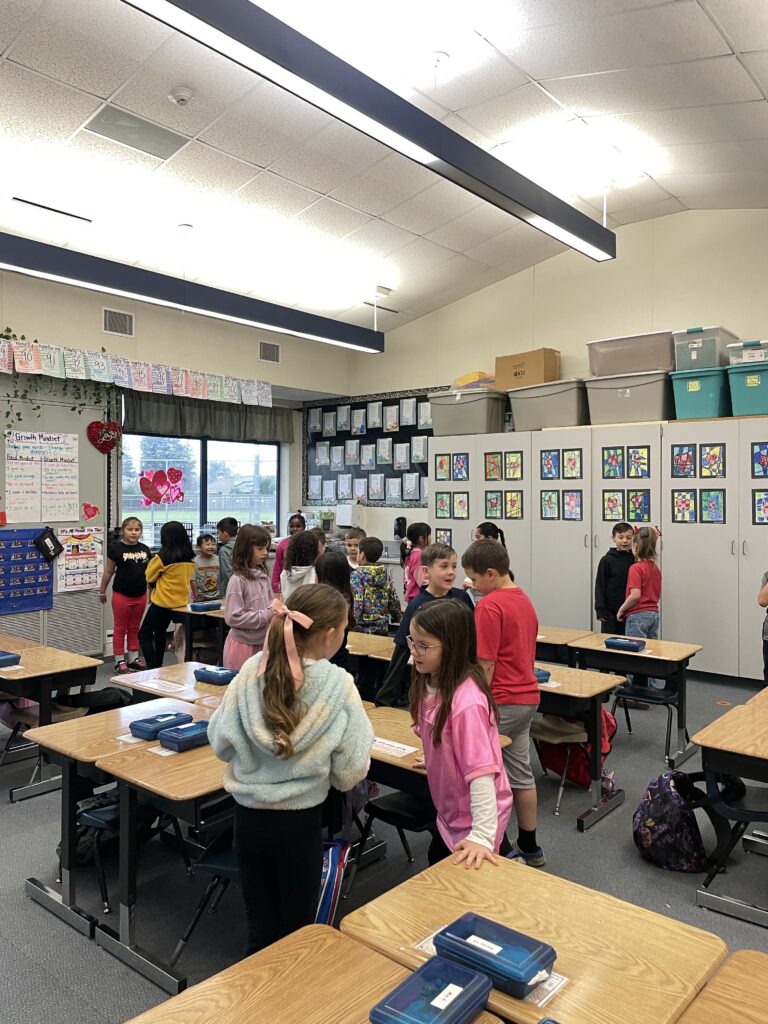
Kindness has become something students actively look for and practice. Morning greetings are warmer, classroom discussions are more respectful, and small acts of generosity happen more frequently. Students hold doors for one another, offer help without being prompted, and take pride in making someone’s day a little brighter.
This shift has reduced unnecessary conflicts and created a calmer, more welcoming atmosphere where students feel safe being themselves.
Teamwork That Strengthens Learning and Belonging
The emphasis on teamwork has changed how students collaborate academically and socially. Group projects feel more balanced because students understand that effective teams rely on listening, shared responsibility, and valuing each person’s strengths.
Beyond academics, this mindset has strengthened friendships and helped students work through disagreements with more patience and understanding. Teachers report that students are more willing to compromise, more open to feedback, and more confident working with peers they may not have partnered with before.
Integrity as a Guiding Principle
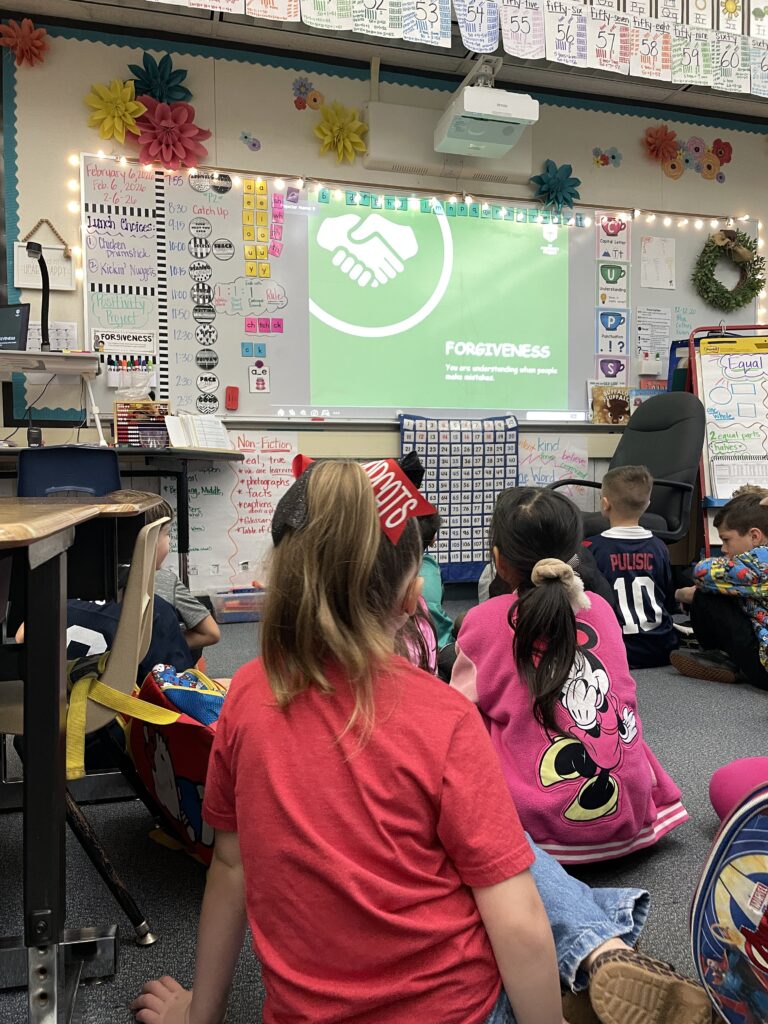
Integrity has become a touchstone for decision-making across grade levels. Students are learning that doing the right thing, even when no one is watching, builds trust and shapes their reputation.
They are taking greater ownership of their actions, acknowledging mistakes more readily, and working to repair harm when needed. This has created a more honest, accountable school environment where students feel able to make choices that reflect their values.
What This Looks Like From the Front Office
Working in administration has given me a different view of our character education curriculum. In a classroom, I saw P2 change how one group of students treated each other over the course of a year. From this role, I see this happening across every grade level at once, in hallways and at recess and in conversations I am called into.
The vocabulary is the same in a 2nd grade classroom as it is in a 5th grade classroom. That consistency is what makes the difference at a schoolwide level.
Together, these character strengths have created an effect that extends well beyond individual lessons. P2 has helped build a school community where students feel connected, supported, and responsible for one another. It has strengthened relationships, improved classroom climates, and given students the tools to grow as thoughtful, compassionate people alongside their academic work.